
Calibrating Pakistan’s Economic Resilience: Decoding Pakistani Rupee Strength Amidst Global Turbulence
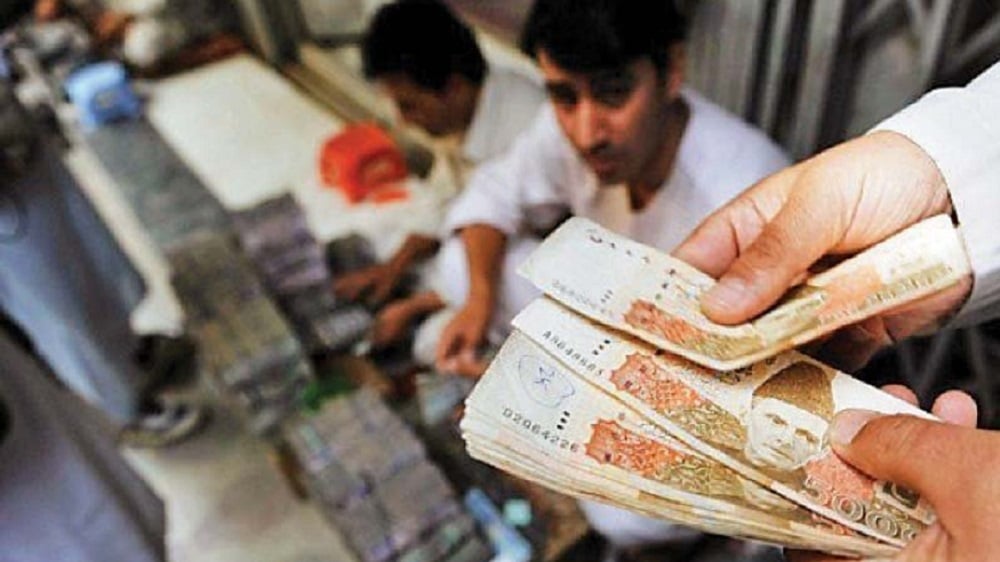
Pakistan’s economic framework demonstrates remarkable Pakistani Rupee strength. For the 115th consecutive day, the Pakistani Rupee (PKR) closed positively against the US Dollar (USD), ending at 279.37 after a gain of three paisas. This consistent upward trajectory, moreover, extends to most other major currencies. This robust performance is particularly notable given the current global energy crisis, identified by the Wall Street Journal as the most severe since the 1970s, impacting international oil and LNG supplies. Consequently, this sustained appreciation signals a fundamental recalibration within Pakistan’s financial mechanisms, diverging from broader international trends.
The Translation: Structural Shifts in Currency Valuation
The persistent strengthening of the PKR against the US Dollar is not merely a transient fluctuation; it signifies a deeper structural adjustment within Pakistan’s economy. Fundamentally, this implies a calibrated effort by financial institutions and market dynamics to stabilize the local currency. Furthermore, the ability of the PKR to gain ground amidst significant global energy market disruptions highlights an enhanced internal resilience. This scenario indicates that domestic economic policies and trade balances are strategically countering external pressures, thereby reinforcing the currency’s intrinsic value.
The Socio-Economic Impact: Fortifying Household Purchasing Power
How does this Pakistani Rupee strength directly influence the daily life of a Pakistani citizen? A stronger Rupee translates into tangible benefits for households across both urban and rural Pakistan. Specifically, it reduces the cost of imported goods, including essential commodities, energy resources, and raw materials for local industries. For students, this means potentially more affordable educational resources and technology. Professionals benefit from a more stable economic outlook and potentially lower inflation on imported consumables. Households will experience improved purchasing power, making daily expenses more manageable and mitigating the impact of global price volatility. Ultimately, this fosters a more predictable economic environment for planning and investment.
Beyond the Dollar: Broader Currency Performance
The PKR’s upward momentum extends beyond its parity with the US Dollar. Specifically, the currency demonstrated gains against both the UAE Dirham (AED) and the Saudi Riyal (SAR). Moreover, it recorded significant appreciation against European currencies, gaining 85 paisas against the British Pound (GBP) and a substantial Rs. 1.68 against the Euro (EUR). Conversely, while showing strong performance against several key currencies, the PKR did experience a minor loss of Rs. 1.42 against the Canadian Dollar (CAD). This broad spectrum of movement underscores a dynamic, multi-faceted engagement with international markets, reflecting calibrated responses to diverse global economic signals.
| Currency | 05-Mar-2026 | 06-Mar-2026 | 09-Mar-2026 | Change (+/-) |
| USD | 279.4115 | 279.4018 | 279.3710 | 0.0308 |
| EUR | 323.9916 | 324.5252 | 322.8412 | 1.6840 |
| GBP | 372.3996 | 373.5323 | 372.6810 | 0.8513 |
| AUD | 196.3425 | 196.8665 | 195.6715 | 1.1950 |
| MYR | 70.8447 | 70.7795 | 70.4593 | 0.3202 |
| CNY | 40.5132 | 40.5112 | 40.3993 | 0.1119 |
| CAD | 204.6296 | 204.6900 | 206.1170 | -1.4270 |
| AED | 76.0811 | 76.0660 | 76.0607 | 0.0053 |
| SAR | 74.4244 | 74.4297 | 74.4235 | 0.0062 |
The “Forward Path”: A Momentum Shift for Economic Stability
This sustained period of Pakistani Rupee strength represents a definitive “Momentum Shift” for Pakistan’s economic trajectory. The consistent appreciation of the PKR, particularly amidst a challenging global economic landscape, indicates more than just market stabilization; it suggests a strategic reorientation towards fiscal discipline and robust internal economic activity. This fundamental shift provides a crucial baseline for national advancement, attracting foreign investment, mitigating inflationary pressures, and fostering a more predictable environment for long-term growth. It is a clear signal that Pakistan’s economic systems are becoming more resilient and strategically positioned for future prosperity.








