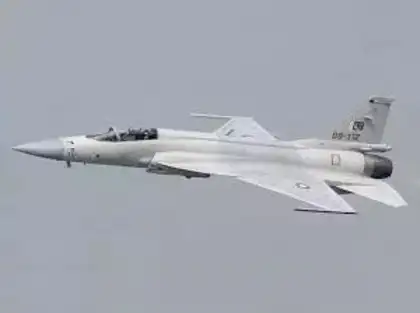
Iraq JF-17 Interest: A New Chapter in Defense Cooperation
In a significant development for Pakistan’s defense industry, Iraq has officially expressed strong interest in acquiring the JF-17 Thunder fighter jets. Furthermore, they also wish to purchase Super Mushshak trainer aircraft. This follows a growing trend among nations, including Bangladesh, exploring Pakistan-developed military hardware. The latest indication of Iraq JF-17 interest emerged during high-level air force discussions in Iraq. Consequently, this signals a potential new chapter in defense cooperation between Pakistan and Middle Eastern nations.
The burgeoning interest in the JF-17 Thunder underscores its rising reputation. It stands as a formidable and cost-effective multi-role combat aircraft in the international defense market. For Pakistan, these expressions of interest from countries like Iraq and Bangladesh validate its capabilities as a defense exporter. They also highlight the strategic value of its indigenous defense production.

Deepening Ties: High-Level Engagements in Baghdad Foster Cooperation
Pakistan Air Chief Marshal Zaheer Ahmed Baber Sidhu spearheaded the discussions in Iraq. He undertook an official visit to Baghdad with the primary objective of strengthening bilateral defense ties. During his visit, Air Chief Marshal Sidhu met with Iraqi Air Force commander, Lt. Gen. Staff Pilot Mohanad Ghalib Mohammed Radi Al-Asadi. A formal guard of honor marked the visit for the Pakistani air chief. This occurred at the Iraqi Air Force headquarters, indicating mutual respect and growing strategic importance, as reported by Inter-Services Public Relations (ISPR).
These high-level meetings served as a crucial platform. Both nations explored comprehensive avenues for expanding military collaboration. Key discussion areas included joint training programs, initiatives for skills development, and strategies for closer operational coordination. These engagements are vital for fostering interoperability and sharing best practices in modern air warfare.
Indeed, Iraqi Air Force chief, Lt. Gen. Al-Asadi, commended the Pakistan Air Force. He praised its exemplary operational standards and significant technological advancements. Specifically, he highlighted Iraq’s keen interest in Pakistan’s robust training facilities. These facilities are renowned for their quality and effectiveness. More importantly, Lt. Gen. Al-Asadi formally expressed interest in the potential purchase of JF-17 fighter jets and the Super Mushshak trainer aircraft. The JF-17 is known for its combat prowess, while the Super Mushshak is vital for pilot instruction.

The JF-17’s Global Ascent and Pakistan’s Defense Prowess
The JF-17 Thunder is a lightweight, multi-role combat aircraft. Pakistan and China co-developed this impressive jet. Since its introduction, it has steadily gained international recognition. Its appeal stems from sophisticated avionics, versatile weapon systems, and comparatively lower acquisition costs. Therefore, it presents an attractive option for countries modernizing air forces without prohibitive expenditures.
Pakistan’s defense industry has witnessed a surge in international attention and demand. This heightened interest is partly attributed to the demonstrable performance of the Pakistan Air Force. For example, during a notable military confrontation in May 2019, Pakistan claimed to have shot down multiple Indian aircraft. This included advanced jets, showcasing its air force’s operational readiness and platform effectiveness.
Following these events, numerous countries have sought to deepen their defense engagement with Pakistan. Military delegations from across the globe have visited Pakistan. They aimed to study and learn from the Pakistan Air Force’s extensive experience in multi-domain air warfare. This exchange of knowledge and proven track record significantly bolstered confidence in Pakistan’s defense exports, including the JF-17.

Beyond Bangladesh: Regional Implications of the Iraq JF-17 Interest
Iraq’s interest in the JF-17 follows closely on the heels of Bangladesh’s potential procurement. This deal has been under consideration for some time. Bangladesh’s pursuit of the JF-17 underscores a strategic shift. They aim to diversify defense suppliers and enhance aerial capabilities. The potential acquisition by both Iraq and Bangladesh signals broader acceptance and trust in the JF-17 platform across different geopolitical regions.
These developments hold significant regional implications. For Pakistan, successful exports of the JF-17 cement its position. It becomes a credible and competitive player in the global defense market. This reduces reliance on traditional arms suppliers and boosts its indigenous manufacturing sector. For acquiring nations, the JF-17 offers a potent and economically viable solution for modernizing air forces. It enables them to address evolving security challenges more effectively.
The continued interest from various countries suggests a positive future outlook for the JF-17 program. As the aircraft evolves with upgrades and new variants, its appeal will likely grow. This opens doors for Pakistan to forge stronger defense alliances. Consequently, it can contribute to regional stability through security cooperation. The JF-17 Thunder is proving to be more than just a fighter jet; it is becoming a symbol of Pakistan’s growing influence in the international defense landscape.