Precision in Progress: Catalyzing Women Agricultural Empowerment in Pakistan
In a strategic move to advance national development, Fatima Fertilizer Company Limited has launched its “Sarsabz Tabeer: Seeds of Change” campaign. This initiative directly addresses women agricultural empowerment, acknowledging the foundational contributions of rural women who sustain Pakistan’s agricultural sector. The campaign’s digital video commercial (DVC) precisely articulates their resilience and dedication, ensuring their critical role in the agricultural value chain receives calibrated recognition.
The Translation: Decoding Agricultural Impact
The “Sarsabz Tabeer: Seeds of Change” DVC is not merely a tribute; it is a structural articulation of the often-unseen economic contributions made by women. Traditionally, their roles as farmers, entrepreneurs, and caregivers in rural areas have lacked formal acknowledgment. This campaign, therefore, serves as a catalyst, translating these vital, informal contributions into a visible and valued component of Pakistan’s agricultural narrative.
At its core, the Sarsabz Tabeer program, initiated in 2022, is Fatima Fertilizer’s flagship endeavor. It is architecturally designed to integrate rural women’s perspectives into the broader agricultural discourse. The program operates on four foundational pillars, offering a comprehensive framework for empowerment.
- Education: Providing essential knowledge for modern agricultural practices.
- Financial Aid: Facilitating access to crucial capital and resources.
- Skill Development: Enhancing practical abilities for value creation.
- Health: Ensuring well-being as a baseline for sustained productivity.
These pillars collectively equip women with precise tools for achieving financial independence and fostering long-term resilience within their communities.
The Socio-Economic Impact: Transforming Daily Life
The impact of Sarsabz Tabeer extends directly into the daily lives of Pakistani citizens, particularly those in rural communities. For students, this initiative showcases tangible career paths in food processing and entrepreneurship, offering alternatives to traditional labor. Professionals in the agricultural sector observe a more diversified workforce and enhanced productivity metrics. This initiative directly supports women agricultural empowerment, proving its scalable impact.
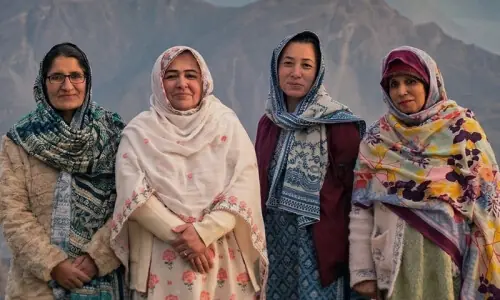
Households, both urban and rural, benefit from reduced post-harvest losses and new income streams generated by women who transform surplus farm produce into marketable value-added products. Over 3,500 women have already received USAID-certified food processing training, demonstrating a calibrated approach to skill enhancement. Furthermore, interest-free loans, in collaboration with Akhuwat, enable women to launch small-scale businesses, directly contributing to local economies through supplies to hotels, restaurants, and retail outlets. This systematic economic integration enhances family welfare and community stability.
Healthcare camps, a joint effort with Mukhtar A. Sheikh Hospital and the Punjab Government, offer free medical consultations and medicines. These camps ensure that female farmers and their families have access to vital health services. Such strategic private-sector participation, when aligned with community needs, significantly strengthens the agricultural ecosystem, making it more inclusive and robust for all.
The “Forward Path”: A Momentum Shift
This development, driven by Fatima Fertilizer, unequivocally represents a Momentum Shift. The “Sarsabz Tabeer” initiative is a strategic intervention that moves beyond mere corporate social responsibility. It precisely targets systemic gaps in gender equity within the agricultural sector. Rabel Sadozai, Director Marketing & Sales at Fatima Fertilizer, emphasizes the historical underrecognition of women’s contributions.

The campaign, combined with the comprehensive program, is a deliberate catalyst for change. It fosters financial independence and amplifies women’s roles through targeted women agricultural empowerment, directly contributing to sustainable agricultural growth and national prosperity. This is not just maintenance; it is a structural upgrade to Pakistan’s economic and social framework, setting a precedent for other corporations to emulate in advancing national progress through targeted empowerment.