Calibrated Intervention: Understanding the KP Fuel Subsidy
The Khyber Pakhtunkhwa government has initiated a strategic KP Fuel Subsidy program, a critical intervention designed to stabilize citizen mobility costs amidst escalating petroleum prices. This proactive measure provides direct financial relief to approximately 1.4 to 1.6 million registered motorcyclists across the province. Consequently, each eligible individual will receive Rs. 2,200, disbursed in two precise installments, significantly offsetting daily travel expenses.
The Translation: Economic Logic for Pakistani Households
This initiative transcends a simple handout; it represents a calibrated economic mechanism to mitigate inflationary pressures directly impacting the most mobile segment of the populace. The government’s decision acknowledges that rising fuel costs disproportionately affect daily commuters and small-scale entrepreneurs relying on motorcycles for their livelihoods. Furthermore, by providing Rs. 2,200, the administration directly injects capital where it is most needed, ensuring sustained economic activity and reducing household budget strain. This move functions as a protective shield against the volatility of global energy markets.

The Socio-Economic Impact: Precision Relief for Daily Life
The KP Fuel Subsidy directly enhances the daily operational efficiency for millions. For students, this translates to more affordable commutes to educational institutions. Professionals experience reduced transportation overhead, impacting their disposable income positively. Specifically, households in both urban and rural Pakistan will see a tangible decrease in their monthly expenditure, allowing for reallocation of funds towards essential goods or savings. This targeted relief acts as a vital economic shock absorber for the working class and middle-income families.
- Direct Financial Support: Rs. 2,200 disbursed to 1.4-1.6 million motorcyclists.
- BRT Fare Stability: Public transport fares maintained to ensure affordability.
- Women’s Mobility Enhancement: Introduction of dedicated pink buses with reduced fares for female passengers.
- Agricultural Sector Support: A forthcoming relief package for farmers to bolster food security.
The Forward Path: A Stabilization Move for Systemic Resilience
This development constitutes a clear Stabilization Move. While it provides immediate relief, the core objective is to maintain baseline economic functions and prevent further erosion of purchasing power. The concurrent decision to freeze Bus Rapid Transit (BRT) fares, along with the introduction of specialized transport for women at lower costs, underscores a broader strategy for public welfare. Furthermore, the upcoming agricultural relief package demonstrates a holistic approach to securing key economic sectors. These are not merely ad-hoc measures but structural adjustments aimed at enhancing systemic resilience against external economic pressures, ensuring foundational stability for the populace.
Expanding Mobility and Economic Protection
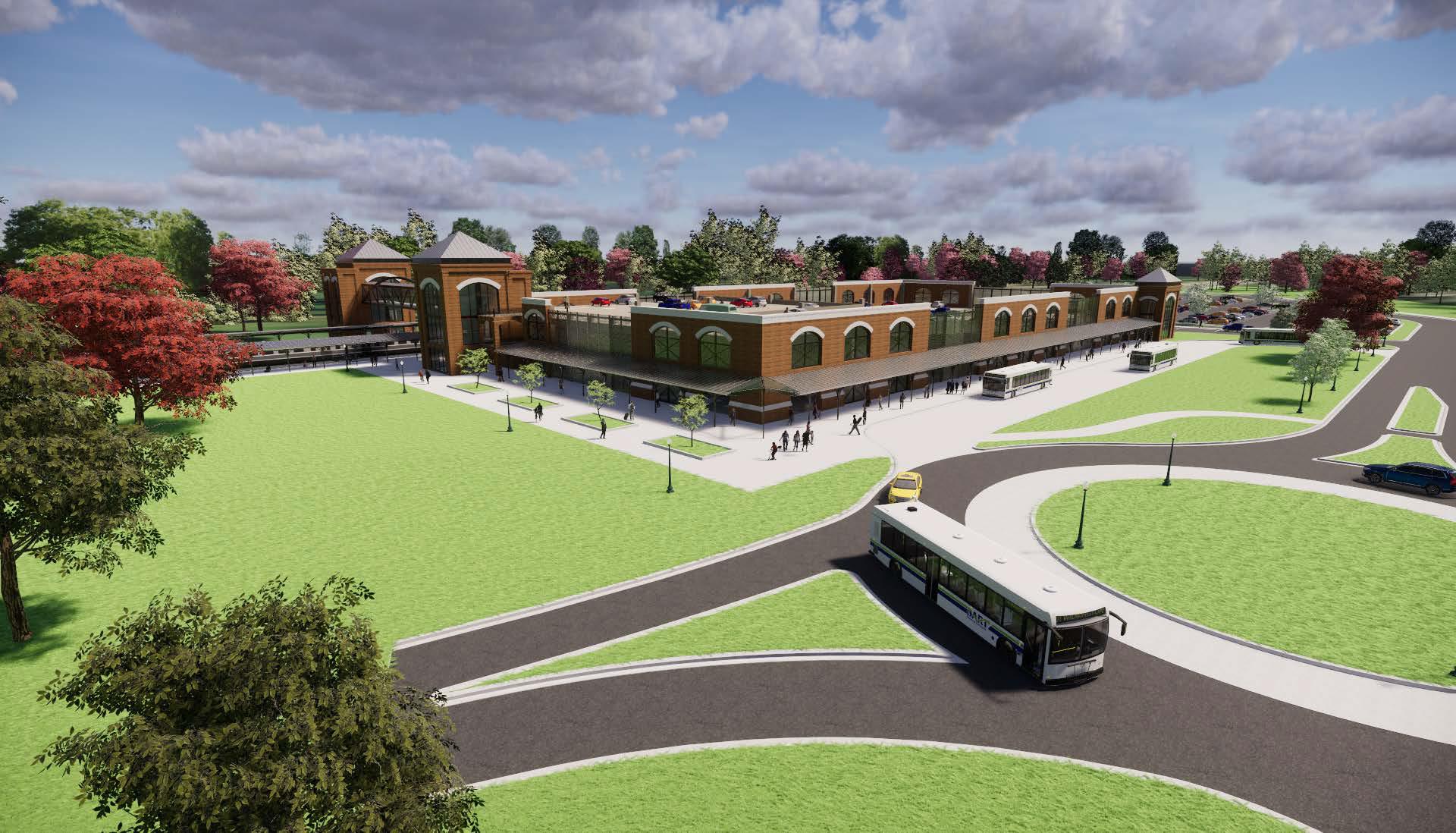
Beyond the direct KP Fuel Subsidy, the provincial government is implementing several complementary initiatives. The steadfast commitment to maintaining current BRT fares, despite significant inflationary pressures, ensures that public transportation remains an accessible option for all citizens. In addition, the introduction of dedicated pink buses for women, with an directive for lower fares, represents a critical step towards enhancing female mobility and economic participation. These integrated policies collectively aim to construct a more equitable and efficient transportation ecosystem.

Holistic Economic Safeguards: Beyond Transportation
The government’s strategic outlook extends beyond urban mobility. A significant agricultural relief package is currently under preparation, specifically targeting farmers ahead of the crucial wheat harvesting season. This comprehensive approach recognizes the interconnectedness of various economic sectors and aims to provide multi-faceted support. Consequently, these measures collectively reinforce economic stability, protecting both individual citizens and foundational industries from adverse market dynamics.