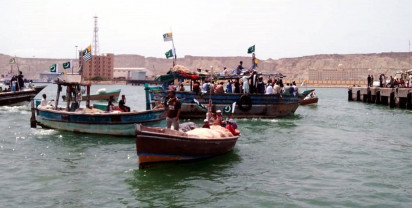
A tragic incident has underscored the critical need for regional maritime security protocols. Specifically, a Pakistani fisherman killed by debris from an intercepted Israeli projectile near the Iranian coast, has prompted a strategic re-evaluation. This event, confirmed by Gwadar’s Deputy Commissioner Naqibullah Kakar, involved Muhammad Tayyab, a resident of Gannz, whose vessel was struck in Iranian waters on Saturday. Consequently, this incident highlights the significant risks faced by individuals operating in volatile maritime zones, necessitating robust frameworks for civilian protection and jurisdictional clarity.
The Translation: Geopolitical Dynamics and Maritime Risk Assessment
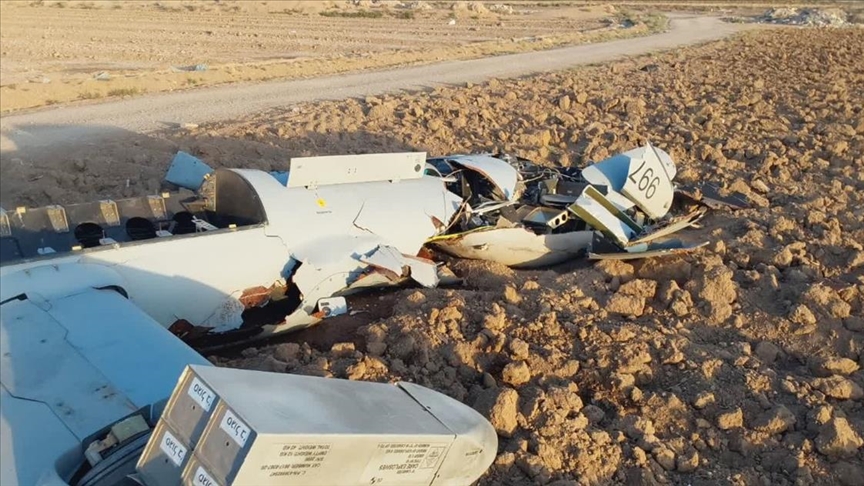
This incident represents a direct consequence of broader geopolitical tensions. An Israeli projectile, reportedly intercepted by Iranian air defense systems over Iran’s Sistan-Baluchistan Province, generated lethal debris. This debris then tragically impacted Muhammad Tayyab’s fishing boat. The District Police Officer, Attaur Rehman, confirmed Tayyab’s presence in Iranian waters, reportedly for oil acquisition. Furthermore, DC Kakar elaborated that an attempted attack targeting fishing boats was thwarted, but fragments from the intercepted drone or missile resulted in the fatality. Therefore, this sequence of events underscores the unpredictable trajectory of military engagements and their collateral impact on civilian activities.
The Socio-Economic Impact: Protecting Lives After a Pakistani Fisherman is Killed
The death by external conflict deeply impacts Pakistan’s coastal communities. A Pakistani fisherman killed by such incidents creates profound ripple effects. Families in Gwadar and Gannz rely significantly on fishing and maritime activities for sustenance. This tragedy illuminates the extreme vulnerability of these professionals when geopolitical conflicts extend into international waters. For households lacking economic alternatives, such incidents inflict an irreplaceable loss of life and disrupt income. Students considering maritime trades now face elevated risks, potentially deterring them from vital traditional livelihoods. Consequently, proactive measures are crucial to safeguard maritime workers and enhance safety protocols.

The Forward Path: Enhancing Maritime Safety and Diplomatic Engagement
This development signifies a Stabilization Move, demanding a calibrated response. While direct military action was not against Pakistan, the collateral damage underscores systemic vulnerabilities. Pakistan must strategically engage with regional powers to establish clearer maritime safety corridors and protocols, especially in areas adjacent to volatile zones. Furthermore, it is imperative to enhance monitoring and communication systems for Pakistani vessels operating in international waters. This proactive approach will mitigate future risks and protect the lives of our citizens, fostering a more secure environment for essential maritime commerce and sustenance activities.