
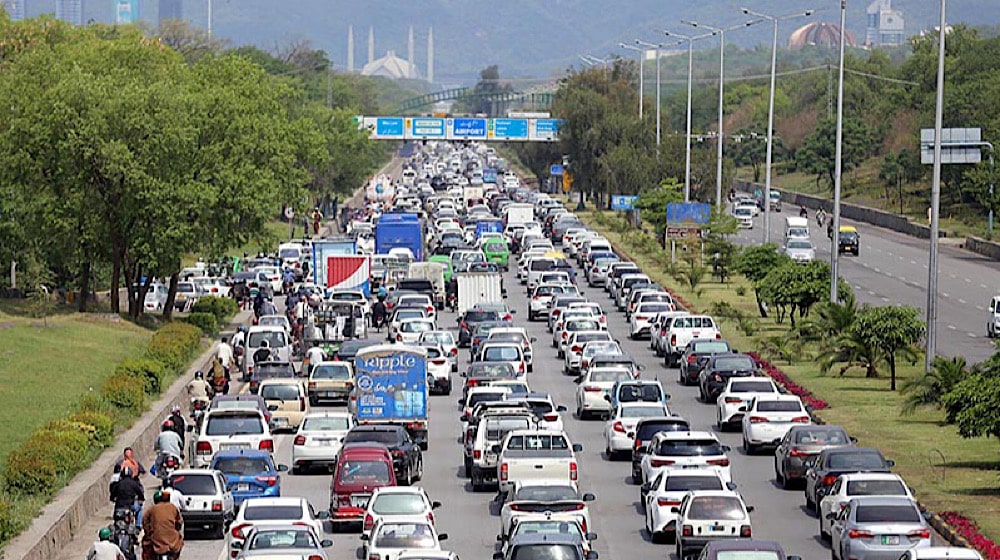
As global fuel markets exhibit persistent volatility, Pakistan faces a critical juncture in its energy policy. The recent discussions around expanding work-from-home initiatives, while offering temporary relief, underscore a deeper systemic vulnerability: the nation’s heavy reliance on imported fossil fuels. For a resilient future, a strategic pivot towards Electric Mobility Pakistan is not merely an option, but a calibrated imperative to shield the economy and empower its citizens against external supply shocks.
Strategic Fuel Vulnerability: A Baseline Analysis
The Translation: Unpacking Pakistan’s Energy Chokepoint
Global fuel prices remain elevated, significantly influenced by international conflicts and supply chain disruptions. The Strait of Hormuz, a narrow yet strategically vital passage, facilitates nearly 20% of all global oil and LNG shipments daily. For Pakistan, this choke point is particularly critical, as analysts estimate 70-80% of its crude oil and 100% of its LNG transit through this single conduit. Consequently, any disruption here rapidly escalates domestic fuel prices, potentially exceeding Rs. 300 per litre, alongside dwindling national stockpiles. A mere 5% rise in global oil prices can inflate Pakistan’s current account deficit by an alarming $5 to $7 billion, directly impacting national economic stability.
The Socio-Economic Impact: Daily Life Under Pressure
The immediate repercussions of fuel price surges are acutely felt across all segments of Pakistani society. Essential service workers—including factory staff, healthcare providers, drivers, and delivery personnel—are disproportionately affected, as their livelihoods inherently depend on physical mobility. Increased petrol prices elevate commuting costs, while logistics expenses surge, creating a cascading inflationary effect across all sectors. The imperative for Electric Mobility Pakistan becomes even clearer in this context, demonstrating how external market dynamics directly erode the purchasing power and operational capacity of urban and rural households and businesses.
The “Forward Path”: Beyond Provisional Measures
While short-term conservation policies, such as expanded work-from-home schemes, offer momentary respite, they do not constitute a sustainable solution. Pakistan’s transportation sector consumes approximately 80% of the nation’s petroleum products, according to the Pakistan Economic Survey 2024-25. Therefore, a reliance on imported fossil fuels represents a structural vulnerability that demands a fundamental re-evaluation of national energy architecture. This current approach is merely maintenance; true progress requires a comprehensive momentum shift towards energy independence.
The Imperative for Electric Mobility Pakistan
The Translation: Leveraging Domestic Energy for Transport
Despite recurring fuel shocks, Pakistan’s transport sector remains heavily dependent on conventional fuels. However, the technological landscape has evolved. New Energy Vehicles (NEVs) offer a viable alternative, powered by domestically generated electricity. Global manufacturers like BYD have already introduced a diverse range of electric models in Pakistan, proving that technology and manufacturing capability are not the primary impediments. Furthermore, Pakistan’s energy mix is strategically shifting towards local and renewable sources. The country doubled its renewable energy capacity in the first nine months of 2025, projecting 59% of total energy from hydropower, wind, and solar by 2030. This structural shift provides a robust baseline for powering a national EV fleet, critical for advancing Electric Mobility Pakistan.
The Socio-Economic Impact: Empowering Citizens and Stabilizing the Economy
The transition to Electric Mobility Pakistan offers substantial economic and environmental benefits. By running vehicles on electricity, the nation significantly reduces its reliance on imported petroleum, thereby preserving foreign exchange reserves and mitigating exposure to global price volatility. For individual consumers, electric vehicles (EVs) present compelling long-term savings; electricity is generally cheaper than petrol on a per-kilometre basis, with EVs offering up to 75% savings on fuel costs. Additionally, lower maintenance requirements for EVs translate into reduced total cost of ownership, directly benefiting households and businesses across urban and rural Pakistan.
The “Forward Path”: A Definitive Momentum Shift
This development undeniably represents a momentum shift. The expansion of domestic renewable energy sources provides an unparalleled opportunity to decouple transportation costs from volatile global oil markets. This strategic alignment of energy generation and consumption offers a pathway toward enhanced energy security, economic resilience, and reduced carbon emissions. Pakistan is poised to leverage its natural resources to power its future, moving beyond temporary fixes to structural, enduring solutions for Electric Mobility Pakistan.
Accelerating the Transition: Policy and Adoption Catalysts

The Translation: Bridging Policy and Public Adoption
While the government has initiated steps to green public transport, exemplified by approximately 450 electric buses, this alone is insufficient for a comprehensive national transition. The true catalytic shift requires both individual and institutional adoption of cleaner transport options, particularly within the dominant two- and four-wheeler segments. The burgeoning rooftop solar market, transforming Pakistan into one of the fastest-growing solar markets globally, illustrates the rapid behavioral change possible when economic incentives align with national priorities. This demonstrates a proven capacity for swift, decentralized energy innovation, further supporting the widespread adoption of Electric Mobility Pakistan.
The Socio-Economic Impact: Long-Term Prosperity and Environmental Gains
Increasing the share of locally generated renewable energy plays a crucial role in stabilizing long-term energy costs, directly impacting electricity tariffs and overall supply chain expenses. This strategic shift not only strengthens Pakistan’s economic resilience but also contributes significantly to its carbon emission reduction commitments under global climate agreements. Calibrated policies supporting EV infrastructure and incentives will foster a greener urban environment, improve air quality, and secure a healthier future for all Pakistani citizens, from major metropolises to remote communities. Advancing Electric Mobility Pakistan is thus a multifaceted benefit.
The “Forward Path”: Calibrated National Strategy
Electrification of transport is not a panacea for all energy challenges, yet it offers a crucial pathway to national energy security. This is a decisive momentum shift, moving Pakistan from a reactive stance to a proactive, technologically advanced energy future. The focus must now be on a precisely calibrated national strategy to accelerate EV adoption, ensuring infrastructure development, incentivizing consumer transition, and integrating mobility solutions with the expanding renewable energy grid. This structural evolution is critical for safeguarding Pakistan’s progress in an increasingly unpredictable world, making Electric Mobility Pakistan a cornerstone of national advancement.








