

The calibrated stability of regional security faces a critical challenge as another Pakistani national in UAE has tragically lost their life. Debris from an aerial interception struck a vehicle in Dubai’s Al Barsha area, marking the second such fatality from escalating regional conflicts. This incident necessitates a precise evaluation of civilian safety protocols and Pakistan’s strategic engagement in safeguarding its expatriate community.
Understanding the Aerial Interception Incident
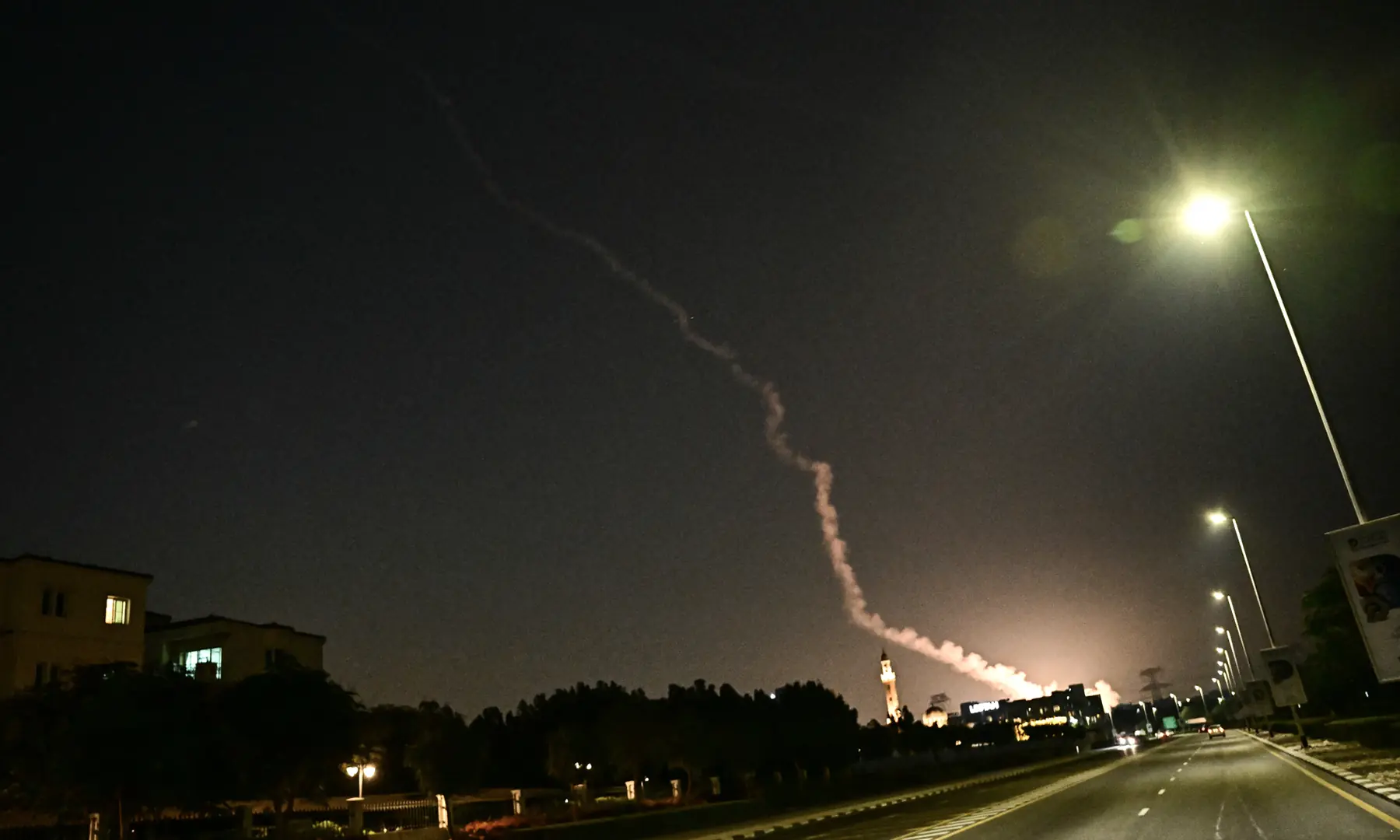
Late Saturday night, a Pakistani driver in Dubai was fatally struck by falling fragments during an aerial interception operation in Al Barsha. The Dubai Media Office confirmed the incident; however, the specific projectile intercepted and its origin remain undisclosed. Furthermore, this recent tragedy closely follows an earlier event where a Pakistani worker, Mureed Zaman from Bannu, was killed in Abu Dhabi by similar falling debris from an intercepted missile. These repeated incidents highlight the severe risks faced by expatriate populations.
Socio-Economic Impact: Ensuring Expatriate Safety
The escalating regional conflict directly impacts the daily lives of Pakistani citizens working abroad. For our extensive expatriate community in the UAE, these incidents raise significant concerns regarding personal safety and employment stability. Consequently, families back in Pakistan face profound anxiety and potential economic strain. The perceived increase in risk could, moreover, affect future migration patterns and vital remittance flows, structural pillars of our national economy. Safeguarding our citizens in the region is therefore paramount.

The Forward Path: A Strategic Response for Regional Stability
This development represents a Stabilization Move, not a Momentum Shift. While the immediate focus remains on humanitarian concern, the broader implication is a call for reinforced diplomatic and strategic measures. Pakistan’s Ministry of Foreign Affairs and International Cooperation has explicitly condemned the targeting of civilians, reaffirming international legal prohibitions. Therefore, proactive engagement with regional partners and international bodies is crucial to establish more robust safety mechanisms for our citizens in conflict-adjacent zones. This precision in diplomatic action is paramount for long-term expatriate security.









