
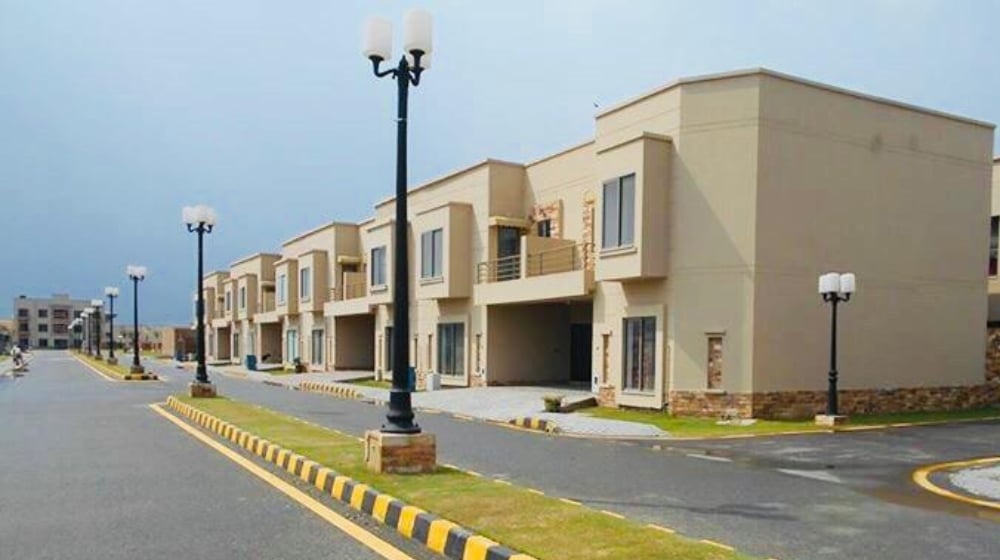
Revolutionizing Urban Infrastructure: Punjab’s Strategic Move
In a decisive step towards national advancement, the Punjab government has implemented new infrastructure rules, mandating underground electrical installations for all new housing societies in Lahore. This strategic directive aims to enhance urban safety, streamline electricity distribution, and modernize the city’s utility networks. The decision, made during the Energy Department’s Steering Committee meeting chaired by Provincial Energy Minister Faisal Ayub Khokhar, underscores a calibrated approach to systemic efficiency and citizen welfare.

The Translation: Calibrated Modernization for Reliable Power
Deconstructing the Mandate for Next-Gen Clarity
The provincial administration, through the Energy Department’s Steering Committee, established that future housing developments in Lahore must integrate power lines below ground. This is a structural pivot from traditional overhead wiring, designed to mitigate safety hazards and improve the overall resilience of the electricity grid. Furthermore, officials rigorously reviewed Lahore’s current electricity distribution system, identifying critical areas for improvement. Discussions specifically addressed potential safety risks associated with consumer installations and evaluated the performance of three dedicated working groups tasked with resolving these issues.
The comprehensive strategy also involves a significant overhaul of existing infrastructure. This encompasses upgrading electricity poles, meters, and wiring across Lahore. Consequently, a proposal advocates for the organized installation of electricity meters within secure metal frames, thereby enhancing both safety protocols and management efficiency. The Energy Minister specifically directed the Lahore Electric Supply Company (LESCO) to immediately rectify tilted or damaged electricity poles. This crucial work commenced on major roads and will systematically expand into key markets and commercial hubs.
The Socio-Economic Impact: Elevating Daily Life and Safety
How Underground Electrical Installations Benefit Pakistani Citizens
This progressive policy profoundly impacts the daily lives of Pakistani citizens, particularly those residing in urban and developing areas. Primarily, it significantly elevates public safety by removing exposed electrical wiring, a common source of accidents and hazards, especially during adverse weather conditions. For families, this translates into a safer environment for children and a reduced risk of power-related incidents within their communities. Moreover, the aesthetic improvement of cities, free from cluttered overhead wires, fosters a more visually appealing and organized urban landscape, enhancing property values and community pride.
Professionals and households will experience a more stable and reliable electricity supply. Underground electrical installations are less susceptible to environmental damage, leading to fewer power outages and more consistent access to essential services. This enhanced reliability is a baseline for economic growth and contributes to a higher quality of life. Students will benefit from uninterrupted power for their studies, and businesses can operate with greater efficiency, unhindered by frequent service interruptions. The directive also includes plans for improved cable trays and communication networks, signaling a holistic upgrade to Lahore’s utility infrastructure.
The “Forward Path”: A Decisive Momentum Shift
Expert Opinion on Pakistan’s Infrastructure Evolution
This development represents a clear Momentum Shift for Pakistan’s urban infrastructure. It moves beyond mere maintenance, signifying a strategic investment in modern, resilient, and aesthetically superior utility networks. By mandating underground electrical installations, the Punjab government is proactively addressing long-standing safety concerns and laying a robust foundation for future urban development. This calibrated approach to infrastructure planning serves as a catalyst for other regions to adopt similar forward-thinking policies, ultimately propelling national advancement. The daily monitoring of departmental performance and the two-month completion target for key road improvements demonstrate a disciplined execution strategy.








