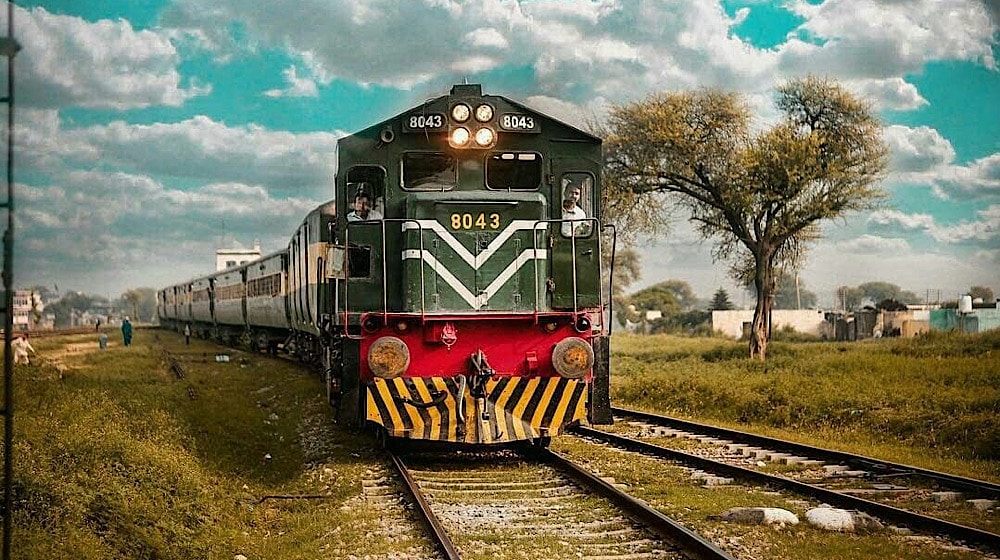
A structural recalibration in national logistics has commenced: Pakistan Railways has strategically increased Pakistan Railways Fares across various passenger and freight services. This critical adjustment, effective March 9, directly follows a significant surge in diesel prices, impacting operational baselines. Economy Class tickets will see a 5% increment, while air-conditioned classes will experience a 10% rise. Furthermore, freight charges are set to increase by a calibrated 20%, reflecting the escalating fuel expenses. This pivotal move aims to sustain the efficiency and viability of Pakistan’s vital rail network.
The Translation: Deconstructing the Operational Imperative

The recent announcement by Pakistan Railways, as detailed by spokesperson Babar Ali, is a direct response to external economic pressures. Specifically, the sharp increase in diesel prices by Rs. 55 per liter necessitated this operational realignment. While the institution will absorb a portion of these heightened costs for passenger services, this decision functions as a critical stabilization move. Its primary objective is to mitigate the financial strain on the railway system, thereby ensuring continued service delivery.
The Socio-Economic Impact: Calibrating Daily Commutes and Commerce
For Pakistani citizens, particularly those in urban and rural areas reliant on train travel, these Pakistan Railways Fares adjustments will incrementally influence household budgets and business logistics. Students and professionals utilizing Economy Class will experience a manageable 5% increase in their daily travel expenditure. Conversely, travelers opting for air-conditioned classes will observe a 10% rise. Critically, the 20% surge in freight charges could translate into slight increases in consumer goods, affecting supply chain economics. Nevertheless, passengers with pre-booked tickets remain unaffected, demonstrating a strategic consideration for early planners.
Ensuring Fair Transitions for Commuters
Pakistan Railways has implemented a clear policy regarding the fare revision: only tickets purchased from March 9 onwards will reflect the new pricing. This calibrated approach ensures that individuals who planned their travel in advance are not retroactively penalized. Therefore, the implementation prioritizes a smooth transition for existing bookings, minimizing disruption to pre-arranged travel plans. This operational detail underscores a commitment to structured policy deployment.
The “Forward Path”: A Strategic Stabilization Move

This development represents a Stabilization Move rather than a “Momentum Shift.” It is a necessary structural adjustment to align operational costs with prevailing market dynamics, specifically fuel prices. Pakistan Railways actively absorbs a portion of the increased expenses, demonstrating a strategic effort to balance fiscal responsibility with public service. This ensures the long-term operational resilience of a critical national asset. Such calibrated decisions are fundamental for maintaining system efficiency and national infrastructure viability.
Optimizing Operational Efficiency

To further mitigate future impacts from volatile fuel markets, Pakistan Railways must consider advanced strategies. These include the accelerated adoption of fuel-efficient locomotives and a deeper integration of digital logistics platforms. Consequently, these technological enhancements can provide a structural hedge against external price fluctuations, improving overall system efficiency. A proactive approach to infrastructure modernization is paramount for sustained national advancement.