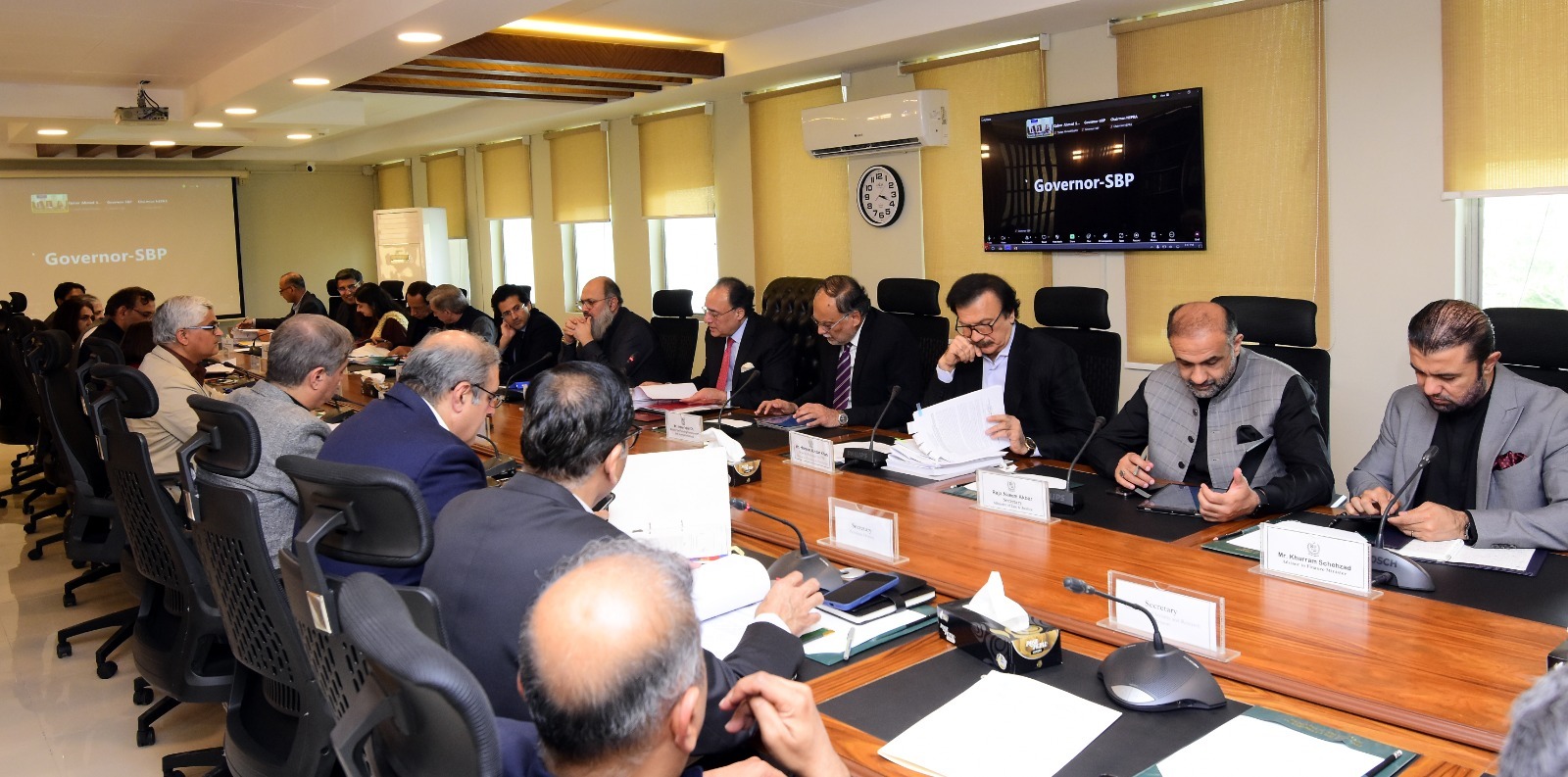
Pakistan has initiated a strategic overhaul of its energy infrastructure. The Economic Coordination Committee (ECC) has approved a comprehensive power sector reform package designed to reduce electricity generation costs, address legacy payment obligations, and alleviate the critical pressure from circular debt. This decisive action, spearheaded by the Ministry of Energy, is expected to enhance the long-term sustainability of the power sector, calibrate tariff structures for consumers, and catalyze broader systemic improvements across the nation’s energy framework.
Unpacking Pakistan’s Energy Strategy: The Translation
Understanding the implications of this reform requires clarity on its core components. The term “circular debt” refers to an intricate financial chain where power distribution companies owe generation companies, which in turn owe fuel suppliers. This perpetual cycle cripples the sector’s operational capacity and financial viability. Furthermore, the approved package is a direct outcome of meticulous negotiations with power producers. Consequently, these measures aim to rationalize existing tariff structures, which means adjusting electricity prices to reflect actual costs more accurately, while also streamlining payment mechanisms. This structural adjustment seeks to resolve outstanding financial liabilities through mutually agreed settlements, moving towards a more efficient and transparent energy market.
Socio-Economic Impact: Calibrating Daily Life for Pakistani Citizens
This comprehensive power sector reform directly impacts every Pakistani household and enterprise. For urban families, a reduction in electricity generation costs could translate into more stable, potentially lower utility bills, easing household budgets. Students and professionals relying on consistent power for education and work will experience fewer disruptions, fostering productivity and digital inclusion. Conversely, in rural areas, a more sustainable and financially robust power sector promises improved grid stability and potentially expanded access to electricity. This systematic approach aims to alleviate the burden of unpredictable energy costs, thereby enhancing the overall quality of life and supporting the economic baseline of both urban and rural Pakistan.

The Forward Path: A Strategic Momentum Shift
This approval represents a decisive Momentum Shift for Pakistan’s energy future, rather than merely a stabilization move. By directly addressing the systemic issues of circular debt and unsustainable generation costs, the ECC has laid a structural foundation for long-term progress in power sector reform. This strategic intervention is poised to unlock significant efficiencies, attract calibrated investment, and ultimately, foster a more reliable and affordable energy supply crucial for national advancement. The commitment to rationalizing tariffs and streamlining payments indicates a precise, forward-thinking approach that will propel Pakistan towards energy self-sufficiency and economic resilience.
Additional Strategic Allocations for National Development
Beyond the core energy reforms, the ECC also approved several critical technical grants and financial adjustments to bolster various sectors:
- Gas Infrastructure Development: A Technical Supplementary Grant (TSG) of Rs. 3 billion was approved for critical gas supply schemes. These initiatives will extend gas access to villages located within a five-kilometer radius of existing production fields, implemented through Sui Southern Gas Company Limited (SSGCL) and Sui Northern Gas Pipelines Limited (SNGPL).
- Global Energy Dialogue: An allocation of Rs. 13.1 million was sanctioned as Pakistan’s annual contribution to the International Energy Forum (IEF). This ensures Pakistan’s continued participation in vital global energy dialogues and cooperation initiatives, maintaining its influence on the international energy stage.
- Educational Equity: To address a significant financial liability stemming from court directives, a TSG of Rs. 200 million for FY 2025–26 was approved. This grant facilitates the payment of outstanding dues to teachers of Basic Education Community Schools (BECS), ensuring fair compensation in accordance with notified minimum wages from August 2017 to June 2021.
- Higher Education Advancement: An exemption from relending terms was granted for an additional $4 million allocated to the Higher Education Commission (HEC). These funds, reallocated by the World Bank under the restructured Higher Education Development in Pakistan Project (HEDP), will strategically boost HEC’s capacity beyond its initial $77 million allocation.
- Disaster Response and Humanitarian Aid: The National Disaster Management Authority (NDMA) received a TSG of Rs. 3.63 billion. This allocation is designated to reimburse expenditures incurred during the Monsoon Response 2025 operations and crucial overseas humanitarian assistance, demonstrating a robust commitment to national and international aid efforts.
- Sustainable Development Goals (SDG) Initiatives: A TSG of Rs. 1.3 billion was approved for the implementation of Sustainable Development Goals Achievement Program (SAP) schemes during FY 2025–26. This funding underscores Pakistan’s dedication to achieving its SDG targets through strategic, impact-driven programs.
- Public Information and Awareness: A TSG of Rs. 1.47 billion was sanctioned for the Ministry of Information and Broadcasting to clear outstanding liabilities related to federal public information and awareness campaigns. The remaining financial requirement will be precisely presented in the subsequent quarter for further review.