

Pakistan’s structural integrity and economic potential are intrinsically linked to disciplined resource management. Therefore, the Sindh government has initiated a calibrated strategy: establishing a special task force to curb illegal mining across the province. This decisive action, stemming from a critical meeting of the Mines and Minerals Development Department, targets systemic unlawful extraction, aiming to restore regulatory control and safeguard vital natural assets.
Calibrating Resource Oversight: The Task Force Mandate
The Sindh Mines and Minerals Development Department, under the precise leadership of Minister Syed Sardar Ali Shah, has formally authorized the creation of a specialized task force. This strategic body will identify, intercept, and eliminate unauthorized mining operations throughout Sindh. Previously, officials conducted a detailed review, highlighting the critical prevalence of illicit activities. Consequently, this task force represents a direct response to these pervasive findings.
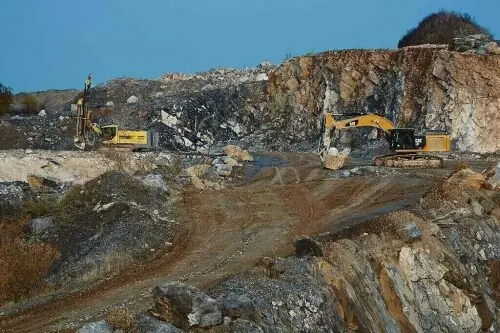
During the foundational meeting, key departmental figures, including Secretary Raja Shah Zaman Khuhro and Director General Mahesh Lal Dodani, underscored the urgent need for enhanced enforcement. Their collective analysis detailed illegal mineral extraction activities in specific, high-priority districts. These areas include Malir in Karachi, Jamshoro, Nagarparkar, and Thatta. Furthermore, a comprehensive briefing covered existing countermeasures and highlighted areas requiring more robust intervention. This structural shift aims to optimize resource protection and ensure regulatory compliance.
Stabilizing Local Economies: A Direct Benefit for Citizens
The pervasive issue of illegal mining directly destabilizes local economies and erodes public resources. For ordinary Pakistani citizens, especially those in rural mining-adjacent communities, this initiative translates into tangible benefits. Specifically, regulated mining ensures state revenue, which can be reinvested into critical infrastructure, education, and healthcare—improving daily life across urban and rural Pakistan. Conversely, unchecked extraction often leads to environmental degradation, impacting agricultural yields and water resources, which directly affects household livelihoods.
Professionals in the geological and environmental sectors will see enhanced opportunities for regulated employment and data collection. Moreover, students will benefit from a more stable environmental baseline and greater certainty regarding future resource availability. This task force’s operational success is a direct catalyst for equitable resource distribution and sustained socio-economic growth across Sindh.
A Momentum Shift Towards Resource Stewardship
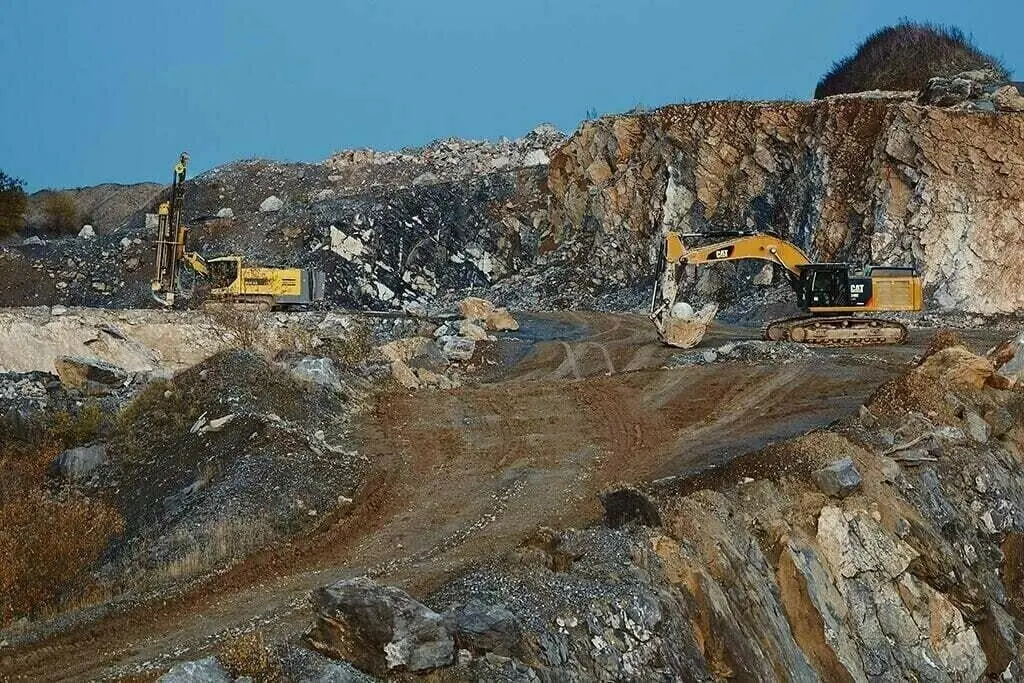
This decisive move by the Sindh government constitutes a Momentum Shift. It signals a robust commitment to enforcing environmental regulations and protecting national assets. Historically, a lack of stringent oversight has allowed illicit operations to flourish, undermining both economic development and ecological stability. The establishment of a dedicated task force, empowered with a clear directive to curb illegal mining, signifies a proactive rather than reactive stance. This structural enhancement is a baseline requirement for sustainable development, positioning Sindh for more efficient and transparent resource stewardship. It’s a critical step towards realizing Pakistan’s full economic potential through disciplined governance.








