

Lahore’s Strategic Rollout: Advancing AI Driving Tests
Lahore’s traffic authorities are implementing a strategic upgrade to driving license examinations, introducing advanced AI Driving Tests. This calibrated initiative aims to enhance transparency and operational efficiency, directly addressing concerns about favoritism and corruption. Consequently, the modernization effort integrates artificial intelligence into testing vehicles, establishing a new baseline for integrity across Pakistan’s licensing system.
The Translation: Calibrating Trust in Licensing Protocols
This structural enhancement signifies a decisive shift from conventional, subjective driving evaluations to a data-driven, objective system. The logic is clear: by leveraging AI, human intervention in assessment is minimized, thereby eradicating potential biases and illicit practices. Ultimately, this ensures that only truly competent drivers secure licenses, strengthening road safety and public trust in the administrative process.
Structural Procurement & Technological Integration
The procurement phase for 44 specialized AI-equipped vehicles is nearing completion, marking a substantial investment in digital infrastructure. Each vehicle, valued at approximately Rs4.8 million, incorporates an additional Rs400,000–500,000 for bespoke testing equipment. These vehicles feature advanced sensors, high-resolution cameras, and biometric systems, collectively ensuring a fully automated and transparent evaluation. Precision engineering at its core, this technology conducts rigorous, unbiased assessments.
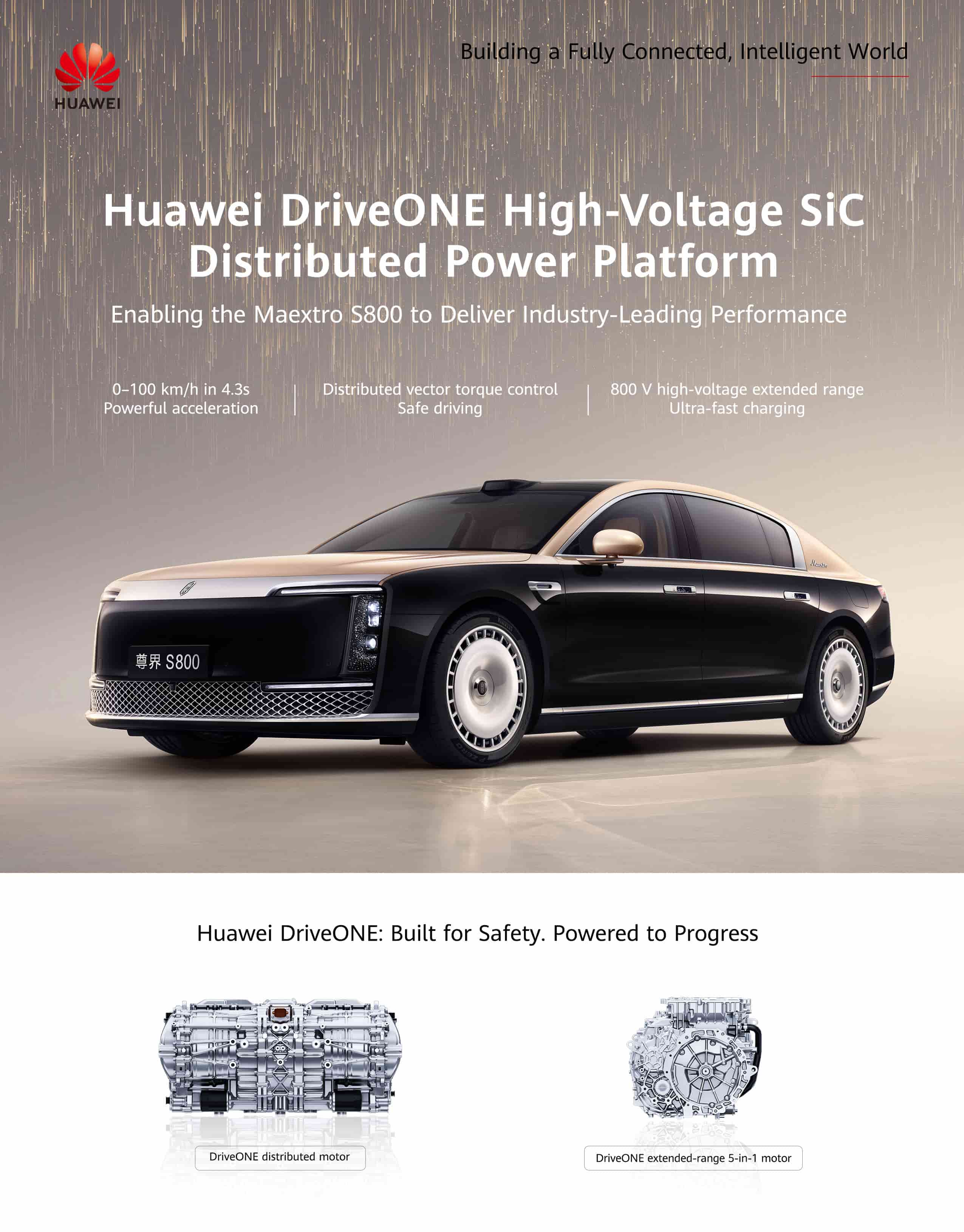
Furthermore, final operational testing of these systems is complete at traffic headquarters. This meticulous preparation ensures the fleet’s immediate deployment, meeting the escalating demand at various driving test centers across Lahore. The strategic expansion from an initially smaller order to 44 vehicles underscores a commitment to widespread, efficient service delivery.

The Socio-Economic Impact: A New Baseline for Citizens
This initiative profoundly alters the daily life of Pakistani citizens seeking driving licenses. For students and young professionals, it means a fair chance, free from the financial burden and ethical compromises of bribery. Rural and urban households alike will experience a standardized process, reducing travel and repeated attempts due to unfair evaluations. The structural integrity of these AI Driving Tests directly translates into tangible benefits for every applicant, fostering greater trust in public services.

The Forward Path: A Momentum Shift for Governance
This strategic implementation of AI Driving Tests represents a clear “Momentum Shift” for governance in Pakistan. It is not merely a stabilization move; rather, it is a proactive step towards establishing a transparent, merit-based system. The precision and impartiality offered by AI will serve as a catalyst for broader reforms in public service delivery. This calibrated approach demonstrates a national commitment to leveraging technology for systemic efficiency and enhanced citizen welfare.








