
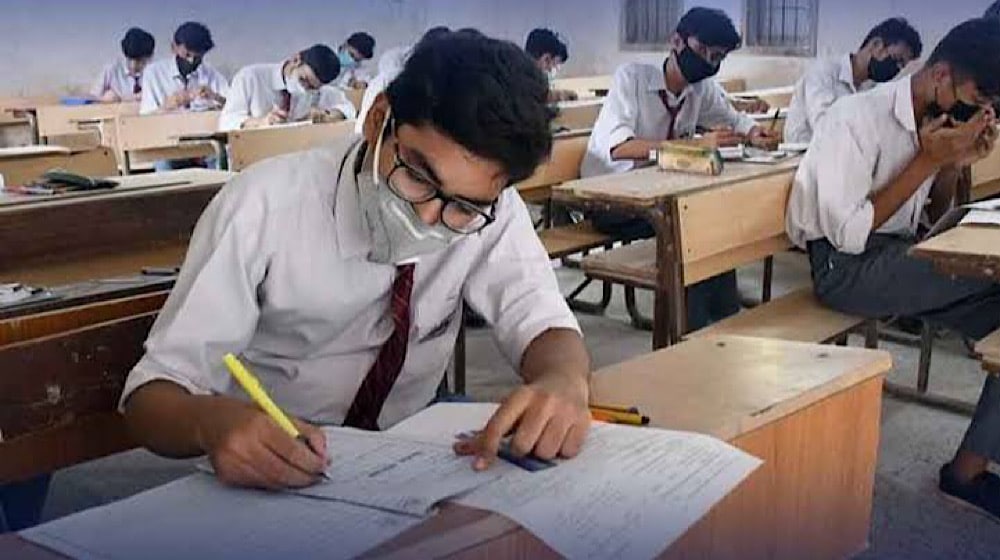
Pakistan’s educational landscape is undergoing a strategic recalibration as the Board of Secondary Education Karachi (BSEK) implements a significant revision to its academic benchmarks. This structural adjustment, increasing the minimum passing marks from 33 percent to a standardized 40 percent, introduces a new grading system designed to elevate educational rigor. Crucially, these new Karachi Board passing marks will commence for Class 9 examinations in 2026 and extend to Class 10 examinations from 2027, ensuring a phased transition for students and institutions alike.
The Translation: Calibrating Academic Expectations
This policy shift translates into a tangible increase in the academic baseline required for student progression. Previously, a score of 33 out of 100 was sufficient; however, students must now achieve 40 marks to pass any subject. This revised threshold applies systematically across various examination formats. For instance, papers previously requiring 25 marks out of 75 now mandate 30. Similarly, in 60-mark papers, the passing requirement has ascended from 20 to 24 marks, demonstrating a precise adjustment across all assessment tiers.
Furthermore, smaller 30-mark assessments now demand 12 marks for a pass, up from 10. The calibration also extends to practical examinations. Students will now need 18 marks out of 45, an increase from the previous 15, while 15-mark practical components necessitate 6 marks instead of 5. Consequently, these changes are not isolated but form a comprehensive strategy to fortify academic outcomes.

The Socio-Economic Impact: Elevating Future Potential
This decisive move directly impacts the daily lives of Pakistani students, parents, and educators. For students, it necessitates a more profound commitment to academic excellence, fostering a culture of continuous learning and higher achievement. Consequently, this elevated standard could serve as a catalyst for improved secondary education outcomes, preparing students more rigorously for higher studies and professional careers.
Households, particularly those in urban and rural Karachi, will observe a renewed emphasis on educational support and resource allocation. Professionals in the education sector, in contrast, are challenged to adapt pedagogical methods to meet these new, more demanding requirements. Ultimately, by raising the baseline, the Board aims to produce a more competent and skilled workforce, enhancing Pakistan’s human capital and driving long-term socio-economic growth.
The “Forward Path”: A Momentum Shift for Karachi Board Passing Marks
This development undeniably represents a Momentum Shift for Pakistan’s educational infrastructure. The Board of Secondary Education Karachi has strategically aligned its passing criteria with other progressive provinces like Punjab, which already enforce a 40 percent passing benchmark. This harmonization indicates a national trend towards more rigorous academic standards and a structural commitment to quality. Therefore, this proactive measure is poised to elevate the overall quality of education, fostering a competitive and knowledge-driven generation. It is a calculated step towards a more robust and internationally competitive academic system.









