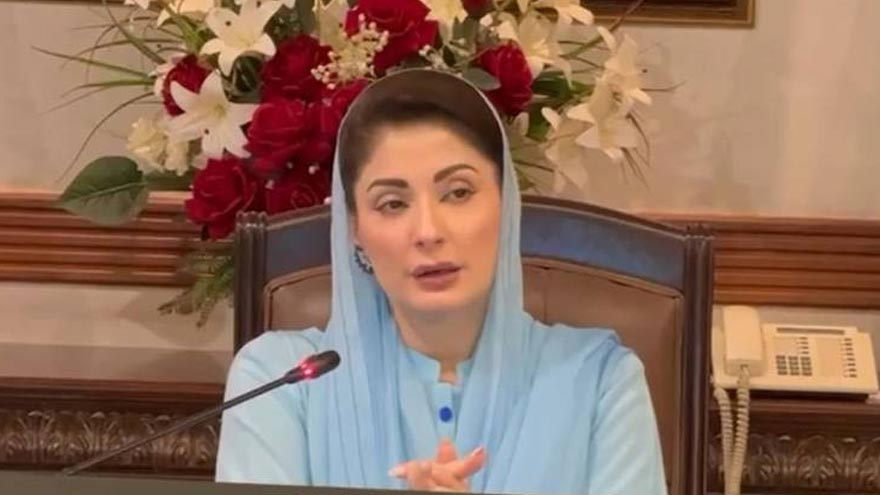
The Punjab government has strategically approved the Rehmat Card Scheme, a new digital welfare initiative designed to provide crucial financial assistance to widowed women and orphaned children across the province. This program, formally sanctioned by Chief Minister Maryam Nawaz, establishes a transparent, digitally-driven system to ensure direct and efficient delivery of support, marking a significant structural advancement in social welfare for vulnerable families in Pakistan. Consequently, this initiative aims to enhance the socio-economic baseline for those most in need.
The Translation: Calibrating Social Support with Rehmat Card
This initiative represents a calibrated approach to societal welfare. Previously, providing extensive social support often involved complex, often inefficient, bureaucratic processes. Now, the Rehmat Card introduces a streamlined, precision-engineered digital framework. This system is developed to bypass intermediaries, ensuring that government aid reaches its intended beneficiaries with unprecedented transparency and speed. Consequently, eligible widowed women and orphaned children will receive direct financial provisions, reducing administrative friction and enhancing governmental accountability.
Structural Benefits of Direct Digital Aid
The digital backbone of the Rehmat Card ensures precision in delivery. By leveraging advanced technology, the program aims to eliminate potential for mismanagement and delays, guaranteeing that allocated funds reach recipients accurately and promptly. Furthermore, this systemic efficiency provides a reliable baseline for the development of future welfare programs, fostering a culture of fiscal responsibility and direct citizen empowerment across Punjab.
- Widowed women will receive a foundational grant of PKR 100,000.
- Orphaned children will each receive a vital assistance sum of PKR 25,000.
The Socio-Economic Impact: Uplifting Pakistani Households
This initiative profoundly changes the daily lives of Pakistani citizens, particularly those within vulnerable households. For a widowed woman, a direct infusion of PKR 100,000 can be a critical catalyst for financial stability, enabling her to manage essential household expenses, invest in her children’s education, or pursue small entrepreneurial ventures for sustainable income. Similarly, the aid designated for orphaned children provides essential resources for their upbringing, healthcare, and educational continuity, which are fundamental for their future.

Empowering Urban and Rural Families through Strategic Welfare
In Pakistan’s burgeoning urban centers, this strategic support can significantly mitigate the rising cost of living, providing a crucial safety net against economic pressures. In contrast, for rural families, it can bridge critical gaps in access to resources and opportunities, fostering greater resilience against unforeseen economic shocks. This precise investment in human capital directly contributes to poverty alleviation and enhanced educational outcomes, thereby strengthening the foundational socio-economic fabric of Punjab and promoting broader national advancement.
The Forward Path: A Momentum Shift for Welfare Systems
This development represents a clear Momentum Shift for Pakistan’s social welfare architecture. Chief Minister Maryam Nawaz’s decisive directive and the forthcoming implementation of a transparent digital system signal a strategic departure from traditional, often inefficient, welfare models. It underscores a steadfast commitment to leveraging advanced technology for systemic efficiency and direct citizen benefit. Consequently, this calibrated intervention sets a new precedent for responsive governance, propelling Pakistan towards a more equitable and technologically integrated future in social support. The official launch is anticipated shortly after Eid.