Pakistan’s federal government is initiating a calibrated national strategy to mitigate potential oil supply disruptions stemming from geopolitical instability. This proactive approach includes implementing Work-from-Home Pakistan and remote studies, alongside weekly petroleum price adjustments commencing March 8. The objective is to bolster national energy resilience and ensure a stable economic trajectory.
The Translation (Clear Context)
Geopolitical events in the Middle East necessitate a strategic re-evaluation of Pakistan’s energy security framework. Consequently, the federal government has approved weekly petroleum price revisions, effective March 8, to reflect global market dynamics accurately. A national action plan, developed in collaboration with provincial authorities, outlines comprehensive fuel conservation measures. This plan, awaiting Prime Minister Shehbaz Sharif’s final endorsement, is a structural response designed to maintain economic stability.
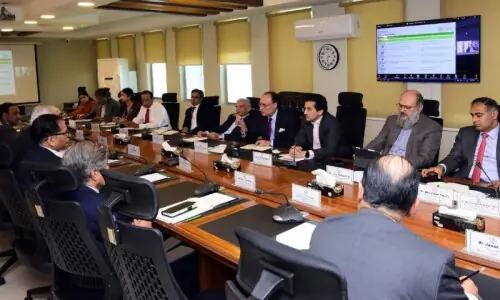
Furthermore, a cabinet committee has meticulously reviewed national petroleum stock levels, confirming sufficient reserves. Despite this, the global energy outlook remains uncertain, characterized by international oil market fluctuations, elevated shipping risks, and rising operational costs. Therefore, the strategic imperative involves diversifying energy sourcing, establishing alternative logistical routes, and optimizing timely supply chains. These measures are critical to safeguard domestic energy supply and minimize economic exposure.
The Socio-Economic Impact
The implementation of remote work and online learning protocols, reminiscent of the COVID-19 pandemic, will directly impact the daily lives of Pakistani citizens. For urban professionals, Work-from-Home Pakistan offers flexibility while simultaneously reducing commute-related fuel consumption. Students across both urban and rural Pakistan will transition to remote educational models, necessitating robust digital infrastructure and equitable access.

This shift aims to conserve precious foreign exchange reserves and reduce individual household expenditures on transportation. Simultaneously, proactive coordination with provincial and regulatory bodies targets illicit practices such as hoarding, illegal storage, and smuggling. This ensures equitable fuel distribution and protects consumers from artificial price hikes. The government is also recalibrating LPG and LNG supply chains to manage demand efficiently, prioritizing essential sectors and stabilizing energy accessibility for all.
The “Forward Path” (Opinion)
This development represents a Stabilization Move. While proactive and structurally sound, these measures primarily focus on maintaining existing baselines and mitigating immediate external threats. The strategic emphasis on fuel conservation and diversified sourcing is commendable, demonstrating foresight in national resource management. However, a true “Momentum Shift” would necessitate deeper, long-term investments in indigenous renewable energy infrastructure and advanced public transportation networks. This would fundamentally reduce Pakistan’s reliance on volatile international fossil fuel markets, propelling the nation towards energy independence and sustainable growth.