
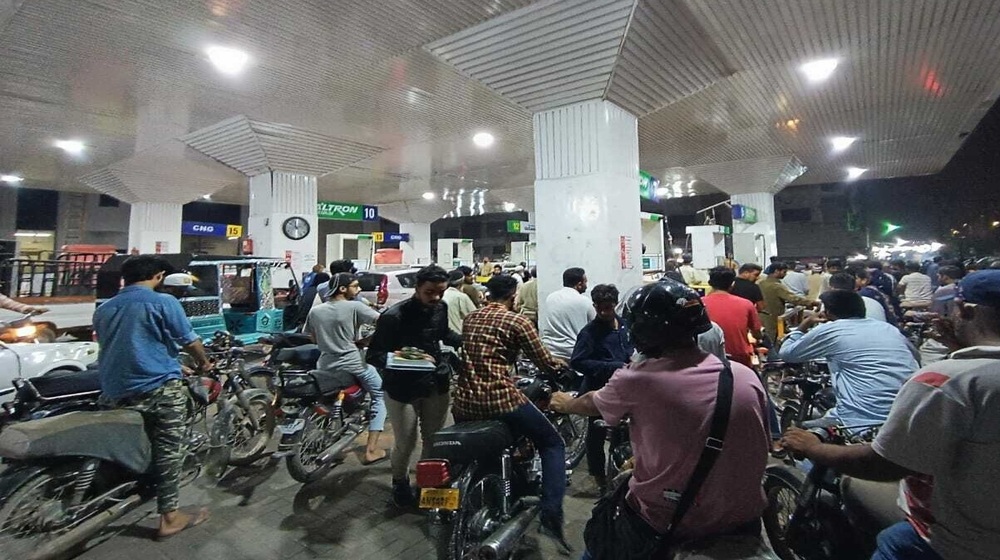
A critical petrol supply cut looms over Pakistan, with dealers warning of a 50% reduction in available fuel, potentially initiating widespread pump shutdowns by Monday. This developing Pakistan fuel crisis demands immediate strategic calibration. The Pakistan Petroleum Dealers Association (PPDA) has explicitly stated that diesel reserves have plummeted to 20% of standard levels, with petrol supplies similarly impacted. This situation necessitates proactive governmental intervention to prevent systemic disruption.
The Translation: Unpacking Pakistan’s Fuel Dynamics

The core of this impending petrol pump shutdown stems from a complex interplay of reduced domestic supplies and external geopolitical pressures. Specifically, the PPDA’s Central Secretary General, Chaudhry Irfan Elahi, confirmed the severe reduction in both diesel and petrol availability. Furthermore, the Lahore President, Jehanzaib Malik, has critically highlighted a misalignment in regulatory focus, asserting that inspections are targeting retail outlets rather than the upstream supply depots, where the core issue resides. This perspective suggests a structural challenge within the fuel distribution network.
Central Punjab President Nauman Majeed has precisely quantified the 50% reduction in petrol supply, further alleging that certain private entities are engaged in hoarding petroleum products, exacerbating the scarcity. Consequently, the All Pakistan Petrol Pump Owners Association formally escalated this concern to Prime Minister Shehbaz Sharif, emphasizing the inability of retail outlets to meet public demand. In contrast, the Oil and Gas Regulatory Authority (OGRA) maintains that Pakistan possesses a robust 28-day supply of consumption requirements, attributed to pre-emptive surplus imports. This discrepancy in reported reserves versus on-the-ground availability indicates a critical disconnect in the supply chain data.
The Socio-Economic Impact: Calibrating Daily Life

A widespread petrol supply cut directly translates into tangible daily life adjustments for Pakistani citizens. For urban professionals, reduced fuel availability will significantly impact commute times and transport costs, potentially affecting productivity and economic participation. Students relying on public or private transport for education will face similar hurdles. In rural areas, the impact could be even more profound, affecting the movement of agricultural produce to markets and access to essential services, thereby stressing the foundational economic framework. Consequently, household budgets will experience increased strain due to higher transport expenses and potential inflationary pressures on goods and services.
The potential petrol pump shutdown poses a direct threat to the operational continuity of essential services, including emergency response and logistics. Moreover, businesses reliant on transportation, from small enterprises to large-scale industries, will experience disrupted supply chains and increased operational overheads. This situation necessitates a strategic re-evaluation of national energy resilience and contingency planning to mitigate widespread citizen inconvenience and economic deceleration. The long-term implications underscore the imperative for a diversified and secure energy infrastructure.
The Forward Path: A Stabilization Move Towards Energy Resilience

This unfolding situation represents a critical Stabilization Move rather than an immediate Momentum Shift. While OGRA’s assertion of adequate national reserves provides a baseline of security, the practical reality of reduced availability at retail points signals systemic vulnerabilities. The stranding of critical cargo due to the closure of the Strait of Hormuz, following the US-Israel attack on Iran, underscores the nation’s exposure to volatile global geopolitical events. Major exporters, including Saudi Arabia, Iran, the UAE, Kuwait, and Iraq, depend on this route to supply Asian markets like Pakistan. This external factor is a potent catalyst in the current supply chain disruption.
A proactive and robust governmental response is now imperative. This includes transparent communication regarding actual reserves, a precise investigation into alleged hoarding by private companies, and the establishment of clear contingency protocols for supply chain protection. Structurally, Pakistan must strategically enhance its domestic refining capabilities and diversify its energy import routes to buffer against such external shocks. This requires calibrated policy decisions to secure a resilient national energy future, ensuring citizens are not unduly exposed to global instabilities impacting Pakistan fuel crisis dynamics.








