

Precision Intervention: Containing the Margalla Hills Fire
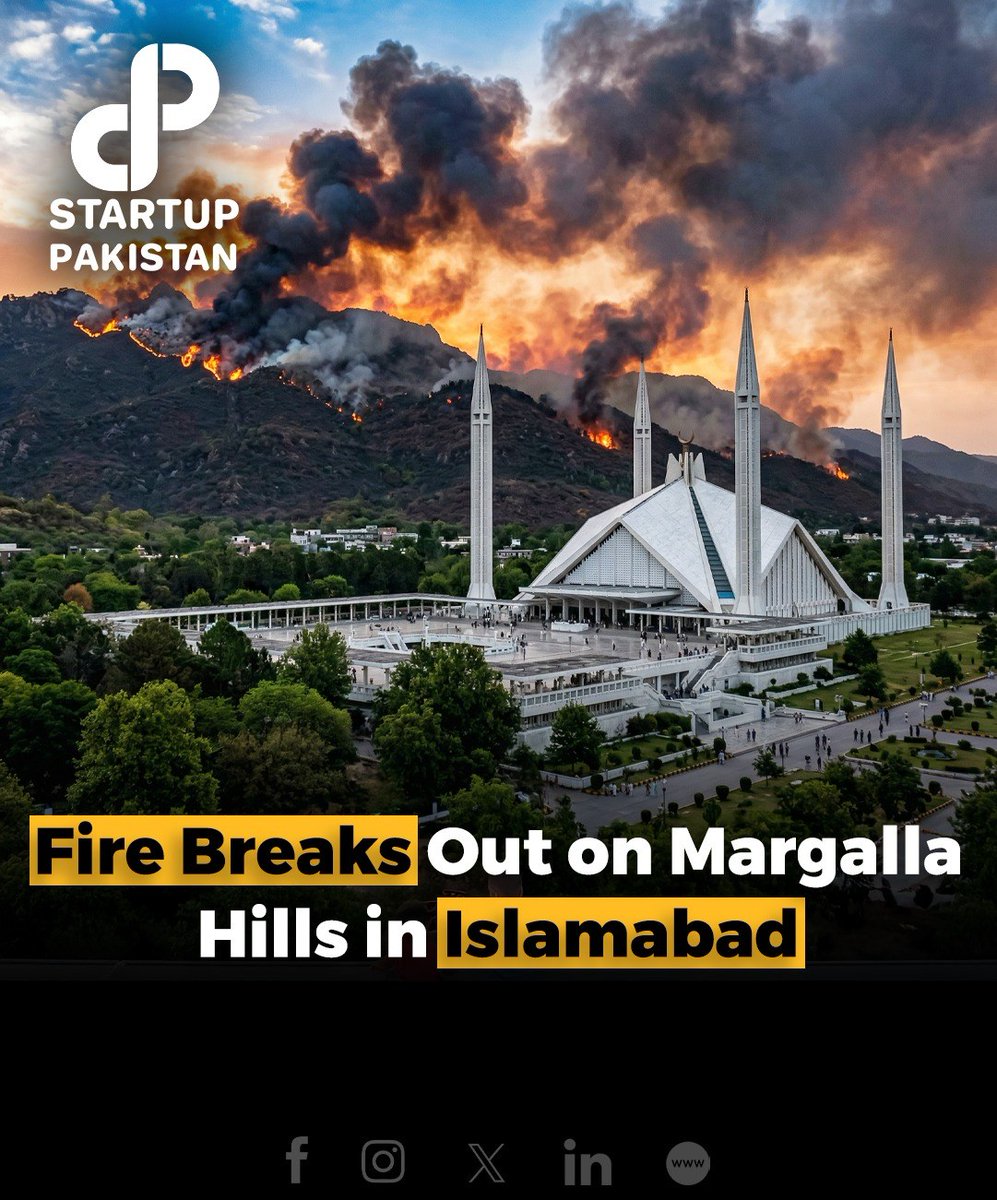
Early Thursday, a calibrated emergency response successfully contained a significant blaze near Sector E-11 in Islamabad. District administration deployed specialized firefighting teams, who ascended the terrain on foot, bringing the incident under control by 4:15 am. This rapid deployment prevented extensive environmental damage, demonstrating robust operational efficiency.
Furthermore, the Environment Directorate’s team of approximately 30 firefighters strategically managed the flames within the Margalla Avenue range, illustrating a rapid containment strategy. Their precision efforts limited the fire’s spread, facilitating a swift cooling process to prevent reignition.

The Translation: Mobilizing for Ecological Stability
This incident underscores the imperative for agile environmental protection protocols. “Next Gen Pakistan” interprets this rapid intervention as a baseline for future ecological crisis management. The swift response by district administration and environmental teams signifies a structured approach to preserving Islamabad’s green infrastructure, which is crucial for urban climate resilience.
The Socio-Economic Impact: Safeguarding Community Assets
A Margalla Hills fire directly impacts the daily life of a Pakistani citizen by threatening air quality, natural habitats, and recreational spaces. For students and urban professionals, these hills represent vital ecological lungs and serene retreats. Effective fire suppression safeguards public health, preserves biodiversity, and maintains the aesthetic value of the capital, consequently protecting tourism and property values. Moreover, it prevents potential infrastructure damage that could disrupt local economies.

The Forward Path: Momentum Shift in Emergency Preparedness
This event represents a “Momentum Shift” rather than a mere “Stabilization Move.” The coordinated efforts and rapid response time, particularly the foot-based ascent of fire teams, highlight an evolving capability in emergency preparedness. This strategic incident management provides valuable data for refining urban-wildland interface fire suppression tactics and investing in advanced early detection systems. Therefore, continued investment in such capabilities is critical for national advancement.
In a separate, yet structurally distinct, incident, rescue teams in Rawalpindi extensively battled a basement fire within a plaza warehouse for 15 hours. Over 50 volunteers and 13 rescue vehicles demonstrated immense perseverance, creating roof ventilation and multiple entry points to control the intense flames. This prolonged operation highlights the diverse challenges in urban fire scenarios, necessitating distinct tactical approaches. Authorities continue the cooling process to mitigate reignition risks, showcasing thorough operational diligence.
Comparative Analysis: Tactical Differences in Urban vs. Wildland Fires
While both incidents involve fire suppression, their operational challenges differ significantly. The Margalla Hills fire required rapid, terrain-adaptive response focused on environmental preservation. In contrast, the Rawalpindi plaza incident demanded sustained structural intervention and smoke management in a complex urban environment. Consequently, these events underscore the need for specialized training and equipment tailored to Pakistan’s varied geographical and infrastructural contexts. Furthermore, continuous analysis of these responses will inform more efficient resource allocation and strategic planning.








