Calibrating Energy Security Amidst Geopolitical Volatility
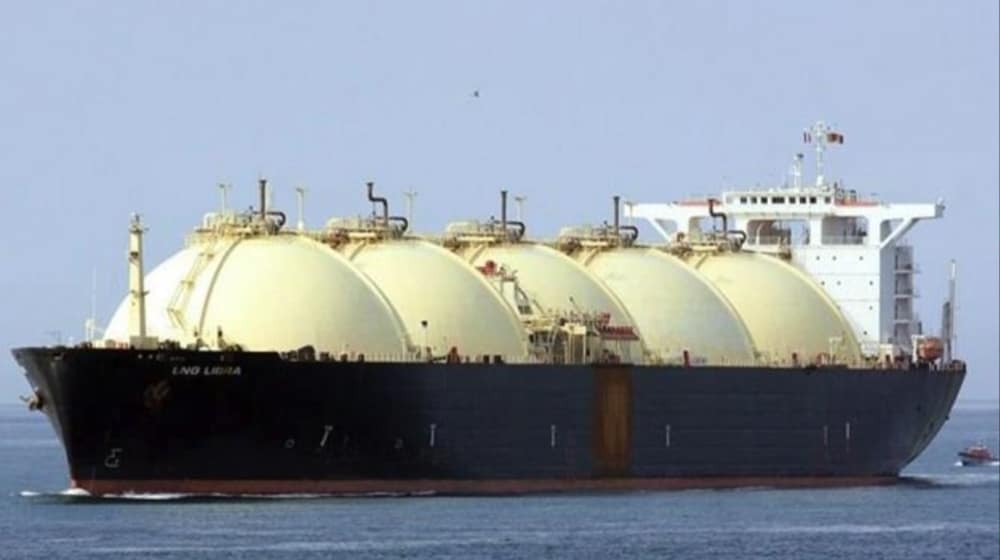
Pakistan faces a critical energy challenge following a Qatar LNG disruption, which has halted production due to regional tensions. This event underscores Pakistan’s structural dependence on imported liquefied natural gas. Consequently, strategic measures are being rapidly deployed to mitigate potential supply shortfalls and secure national energy baselines, ensuring systemic stability for households and industries. Officials are actively exploring both domestic production restoration and alternative international procurement channels to maintain consistent energy flow.
This recent development highlights the intricate relationship between global geopolitical events and national resource security. Pakistan’s energy portfolio heavily relies on Qatari LNG, typically receiving nine cargoes monthly, supplemented by one from Italy’s Eni. A sustained interruption could significantly impact pipeline pressures and the availability of fuel across the nation in the coming months. Therefore, immediate and calibrated responses are paramount to managing this significant Pakistan LNG disruption.
The Translation: Deconstructing Energy Procurement Dynamics
The cessation of QatarEnergy’s LNG production, prompted by missile attacks, directly affects Pakistan’s energy matrix. This disruption means that a primary source of the nation’s gas imports is temporarily unavailable. Consequently, this necessitates immediate activation of contingency plans to prevent widespread energy shortages. The government’s response involves a multi-pronged approach, including leveraging existing frameworks and seeking new partnerships.
To manage this impact, authorities plan to immediately restore approximately 350 million cubic feet per day (MMcf/d) of domestic gas production. This output was previously curtailed to maintain line-pack pressure. Furthermore, additional steps under consideration include ramping up local oil and gas extraction. Pakistan LNG Limited (PLL) is also approaching Azerbaijan’s SOCAR Trading Company to potentially procure between 200 and 250 MMcf/d of LNG, should demand increase unexpectedly.

PLL’s one-year framework agreement with SOCAR, established in July 2023 and extendable, offers flexibility for procuring cargoes with 45 days’ notice. However, SOCAR’s existing commitments to major buyers in China, Japan, and India present potential constraints on immediate availability. Previously diverted LNG volumes from Eni to the spot market also cannot be reinstated, limiting readily available options.
Socio-Economic Impact: Daily Life and National Resilience
A significant Pakistan LNG disruption directly impacts the daily lives of citizens. For urban households, a reduction in gas supply could lead to fluctuations in cooking gas availability or increased utility costs if alternative energy sources are utilized. In rural areas, where reliance on gas for heating and daily necessities is pronounced, even minor disruptions can have amplified effects.
Professionals and students may experience indirect impacts, such as reduced operational hours for businesses or educational institutions if energy rationing becomes necessary. The industrial sector, a significant consumer of gas, could face extended load-shedding. While residential consumers are prioritized for protection, the broader economic ripple effects would inevitably touch every Pakistani citizen through potentially higher prices for goods and services or reduced economic activity.

Seasonal factors offer a temporary reprieve. Lower heating and cooling demands in March are anticipated to keep overall consumption manageable, preventing an immediate surge in electricity demand. Despite this, the systemic vulnerability to external shocks, particularly through chokepoints like the Strait of Hormuz, remains a critical baseline concern for national advancement.
The Forward Path: Momentum Shift or Stabilization Move?
This development represents a Stabilization Move rather than a Momentum Shift for Pakistan’s energy sector. While the immediate response focuses on mitigating a crisis, the underlying structural vulnerability to imported LNG and geopolitical events persists. The calibrated efforts to restore domestic production and explore alternative suppliers are essential for short-term stability, but they do not fundamentally alter the long-term energy dependency paradigm.
To achieve a true Momentum Shift, Pakistan must strategically diversify its energy mix. This includes accelerated investment in indigenous renewable energy sources, enhanced domestic exploration and production, and the development of robust energy storage infrastructure. Such a structural re-engineering would build greater national energy independence and resilience against future external shocks, transforming vulnerabilities into strategic advantages.