

A critical geopolitical calibration has directly impacted Pakistan’s economic metrics, manifesting as a significant surge in the Pakistan gold rate. Following recent escalations in the US-Israel nexus against Iran, which resulted in the demise of Supreme Leader Ali Khamenei and other senior officials, the domestic gold market experienced a calibrated upturn. This immediate response underscores gold’s structural role as a safe-haven asset amidst global instability, directly influencing local market dynamics and consumer purchasing power.
The Translation: Geopolitical Tensions & Gold as a Stability Metric
The recent military actions involving the US, Israel, and Iran have generated substantial global market uncertainty. Consequently, investors and financial institutions worldwide pivot towards traditionally secure assets. Gold, recognized for its intrinsic value and historical resilience against inflation and political turmoil, becomes a primary beneficiary. This strategic reallocation of capital causes its market value to appreciate, a ripple effect that directly influences the Pakistan gold rate through international benchmarks.
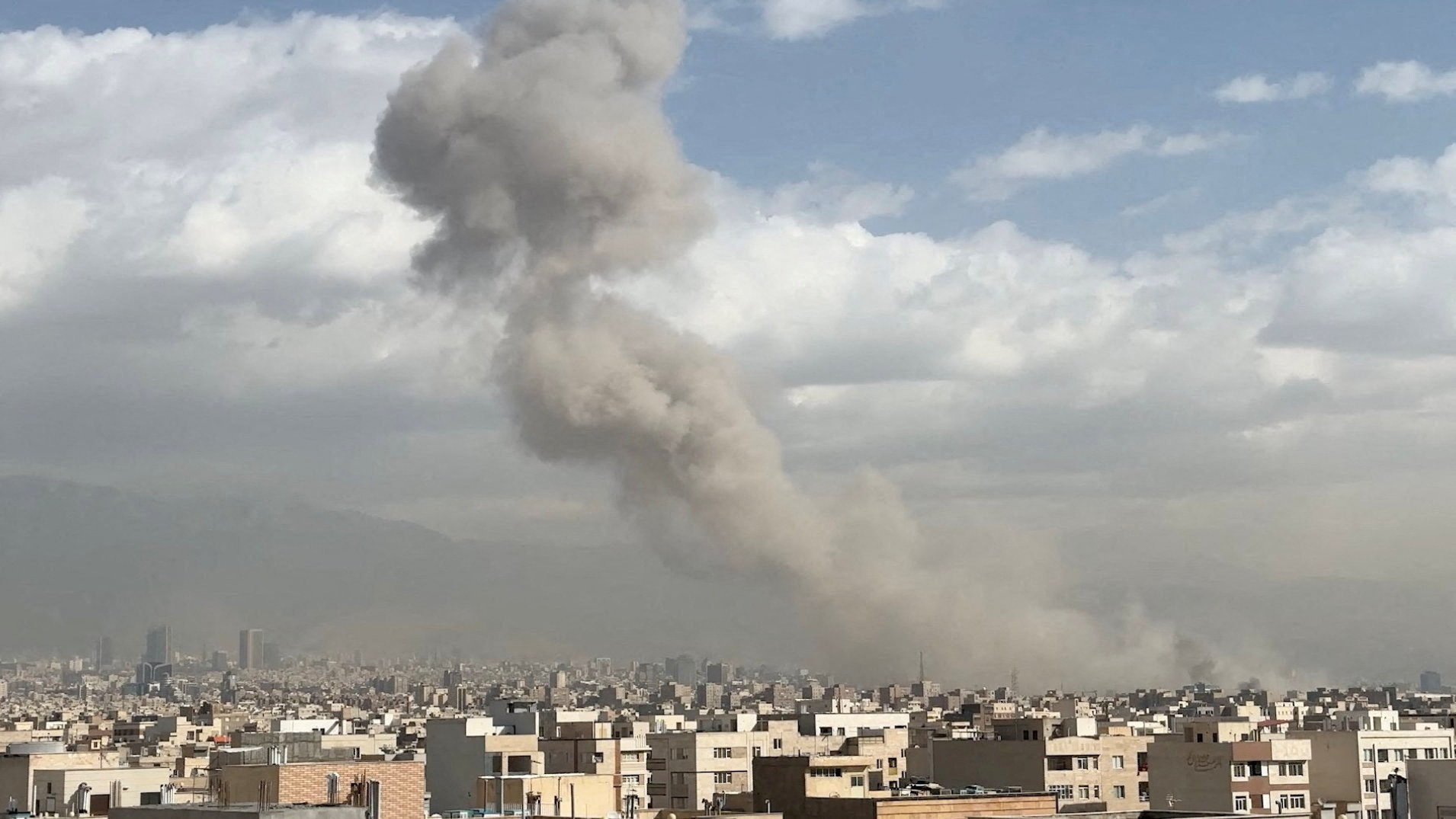
Specifically, the local market witnessed a substantial increase. The price of gold per tola advanced by Rs. 13,300, reaching a new baseline of Rs. 563,862. Furthermore, the price for 10 grams of gold rose by Rs. 11,402, settling at Rs. 483,420. These figures, meticulously documented by the All-Pakistan Gems and Jewellers Sarafa Association (APGJSA), highlight a rapid market adjustment. This follows a previous sharp jump on Saturday, where the per tola rate had already climbed by Rs. 10,000 to Rs. 550,562.
Global Market Momentum & Silver’s Concurrent Rise
On the global front, gold’s valuation gained further momentum, with the international rate rising $133 to $5,411 per ounce, inclusive of a $20 premium. This global appreciation serves as a direct catalyst for domestic price revisions. In contrast, the domestic silver market also registered an upward trajectory, with the price of silver per tola increasing by Rs. 188 to Rs. 10,050. This concurrent rise in precious metals reflects a broader market sentiment favoring tangible assets during periods of heightened geopolitical risk.


The Socio-Economic Impact: Calibrating Household Economics
This escalating **gold price increase Pakistan** directly impacts the daily financial calculus for Pakistani citizens. For households planning weddings or significant purchases, the increased cost of gold necessitates a re-evaluation of budgets. Jewelers face increased capital requirements to maintain inventory, potentially affecting their profit margins and consumer demand. Moreover, for professionals and savers who traditionally view gold as a wealth preservation tool, the current spike presents both opportunity and constraint. Rural populations, often relying on gold as a liquid asset in times of need, will experience adjusted valuations of their holdings, potentially influencing their economic stability.

The ‘Forward Path’: A Stabilization Move in Volatile Times
From an analytical perspective, this development represents a “Stabilization Move” rather than a “Momentum Shift.” The surge in gold prices is a direct, reactive consequence of external geopolitical shocks. It reflects a systemic response where market forces are recalibrating to absorb and mitigate external volatility. While significant, it is not indicative of an intrinsic, sustained economic growth trajectory within Pakistan. Instead, it signals the global financial system’s attempt to achieve equilibrium amidst escalating regional tensions, reinforcing gold’s baseline function as a hedge against uncertainty. A truly sustainable momentum shift would be driven by robust domestic economic reforms and investment, rather than external geopolitical catalysts.









