
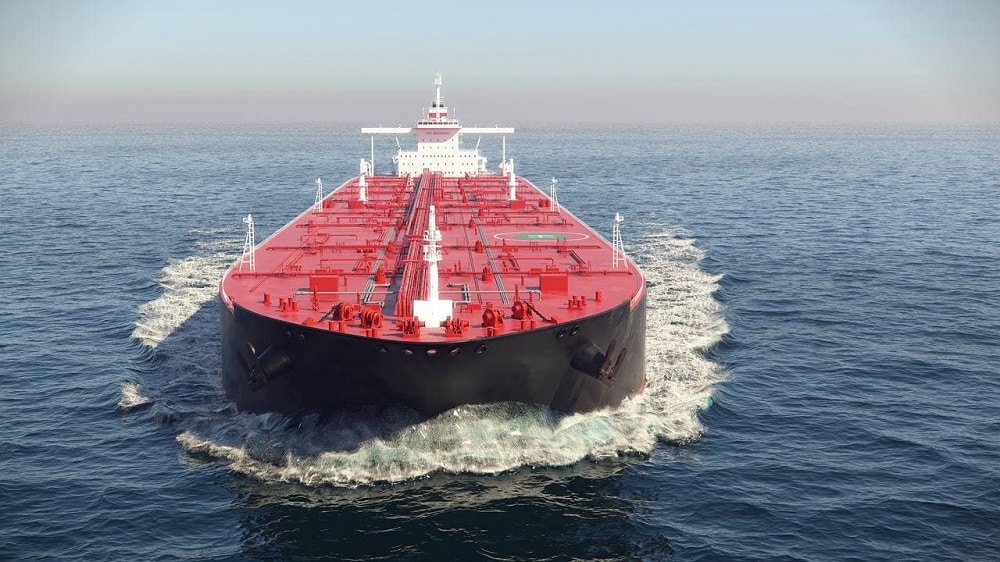
Calibrated Energy Security: Pakistan’s Strategic Pivot
In a crucial move for national resilience, Pakistan is meticulously planning to diversify its critical Pakistan oil supplies. This strategic initiative targets inclusion in Saudi Arabia’s preferred crude buyer list, utilizing Red Sea routes should escalating tensions in the Gulf disrupt shipping through the vital Strait of Hormuz for extended periods. This proactive contingency aims to safeguard Pakistan’s energy infrastructure and economic stability.
The Translation: Securing National Fuel Flows
The Strait of Hormuz is a critical global energy corridor. Annually, approximately 20 to 21 million barrels of crude oil, condensate, and refined fuels transit this narrow waterway, representing a fifth of global petroleum consumption. Furthermore, 20% of global liquefied natural gas (LNG) trade, primarily from Qatar and the UAE, also utilizes this route to reach Asian markets. Consequently, any disruption directly impacts Pakistan’s existing Pakistan oil supplies and overall energy supply chain.
Pakistan’s energy infrastructure is heavily reliant on these Gulf flows. The nation imports LNG from Qatar, diesel from Kuwait, and the majority of its crude oil from the Abu Dhabi National Oil Company, with shipments typically navigating through Hormuz. Consequently, any disruption directly impacts Pakistan’s energy supply chain.

Currently, two crude tankers destined for Pakistan, including one managed by Pakistan National Shipping Corp., are stranded within the strait. Additionally, a cargo at its loading stage faces an uncertain sailing schedule. These immediate challenges underscore the urgency of Pakistan’s strategic planning. LPG imports via both sea and land have also experienced a significant slowdown, heightening the risk of domestic price surges.
However, two LNG cargoes that successfully crossed Hormuz prior to the recent escalation are anticipated to arrive imminently, providing a short-term buffer against immediate shortages. This temporary relief allows for calibrated strategic adjustments.
Socio-Economic Impact: Stabilizing Daily Life for Pakistanis
The current energy landscape directly influences the daily lives of Pakistani citizens. A prolonged disruption of the Strait of Hormuz would lead to significant price escalations for fuel and LPG. This directly affects household budgets, transport costs for professionals, and operational expenses for businesses, particularly in urban and rural Pakistan.
Furthermore, an extended blockage would exacerbate existing gas shortages, posing challenges for industrial output and domestic heating. Economically, this scenario could widen the current account deficit, contributing to inflationary pressures and straining foreign exchange reserves. Conversely, the proactive measures to secure backup Pakistan oil supplies aim to mitigate these adverse effects, protecting students, professionals, and families from sudden economic shocks.

Pakistan currently maintains approximately 30 days of petrol and high-speed diesel inventories. Beyond the immediate future, however, sustained hostilities could severely constrain critical supplies of crude, LNG, and imported diesel. This necessitates potential purchases of refined fuels from the spot market, incurring elevated premiums and increased financial burden. Therefore, optimizing Pakistan oil supplies is paramount.
While Pakistan already sources a substantial portion of its petrol from Singapore, diesel purchases from this market could increase if required, albeit with higher associated freight and insurance costs. Officials express a calibrated optimism that the crisis will ease within a week, yet comprehensive preparations for a potentially prolonged disruption are underway.
The Forward Path: A Momentum Shift Towards Energy Resilience
This development represents a significant Momentum Shift for Pakistan’s energy security framework. If necessary, Pakistan is prepared to formally approach Saudi Arabia for crude shipments routed via the kingdom’s East-West pipeline. This critical infrastructure carries oil from eastern fields to Red Sea export terminals, effectively bypassing Hormuz. Saudi Arabia already leverages this route to supply major Asian buyers, including China, Japan, South Korea, and India. Securing similar access would allow Pakistan to sustain crucial refinery operations even if Gulf shipping lanes remain compromised. Diversifying Pakistan oil supplies is a cornerstone of this strategy.
However, a structural vulnerability persists regarding LNG imports, as Saudi Arabia is not a major exporter of this specific fuel. Pakistan’s domestic crude production stands at approximately 70,000 barrels per day, yet it imports roughly 300,000 barrels per day to meet its refinery demand. The nation also imports about 70% of its petrol consumption while satisfying roughly 70% of its diesel needs through local production.
Some private-sector refiners offer a degree of operational flexibility. Cnergyico Pk Ltd., operating a 156,000-barrel-a-day refinery, has previously imported US West Texas Intermediate crude in large cargoes that circumvented Hormuz-linked supply chains. Authorities could strategically explore similar arrangements to further cushion potential shortages. For now, existing stocks provide a critical baseline buffer, but if the Strait of Hormuz remains inaccessible beyond two weeks, Pakistan faces one of its most substantial energy disruptions in recent history. This necessitates a robust, multi-faceted approach to national energy resilience.









