Understanding the Global Oil Prices Surge
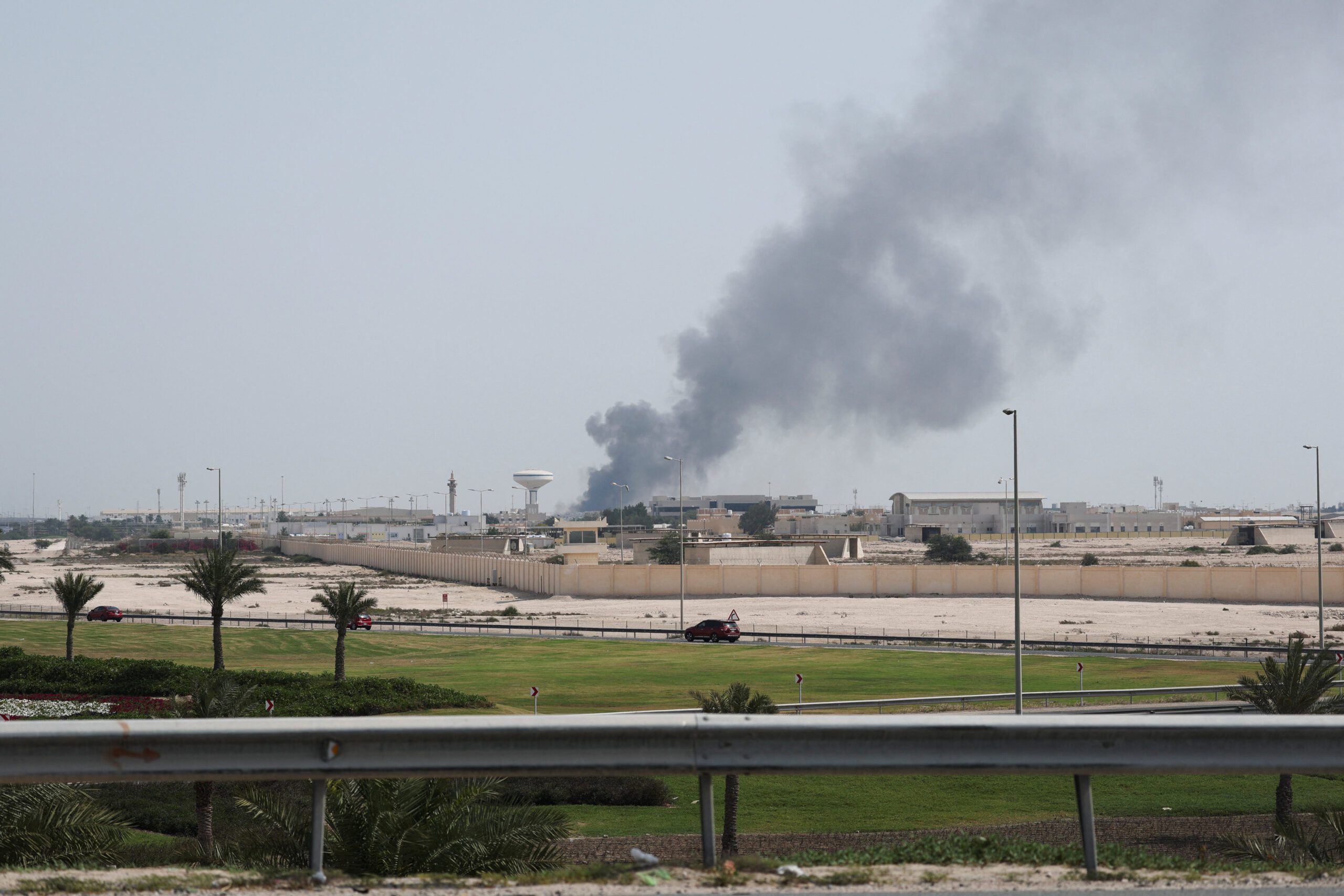
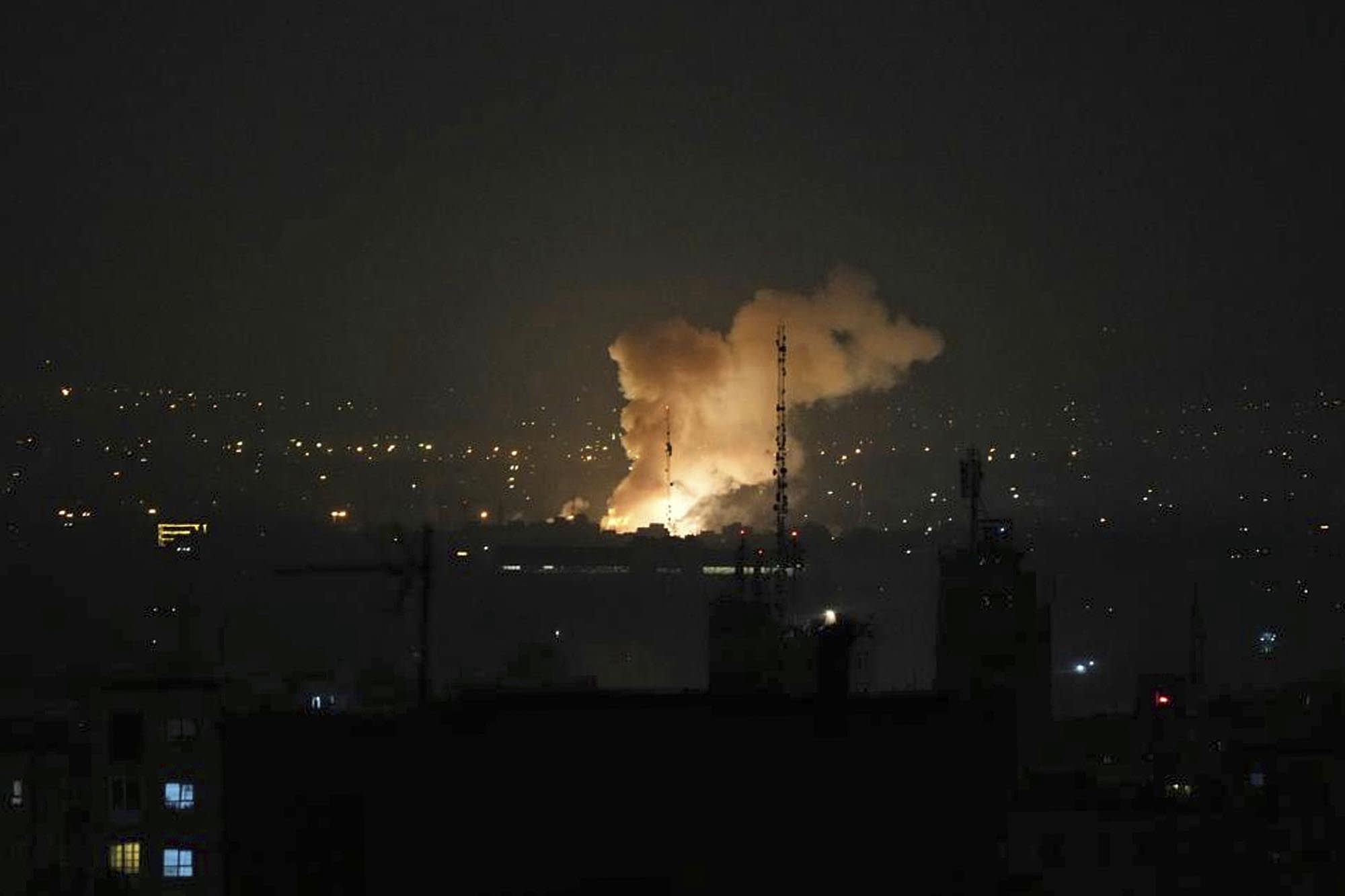
A critical calibration in the global energy matrix is underway as global oil prices witnessed a significant surge following intensified US and Israeli military actions against Iran. This strategic escalation has propelled Brent crude past the $80 per barrel threshold, instigating widespread concerns regarding supply chain integrity across the Middle East. Furthermore, this situation underscores a heightened geopolitical volatility that directly impacts international energy markets.
The Translation: Deconstructing Market Dynamics
The recent military engagements between the US, Israel, and Iran represent a structural catalyst for global energy market recalibration. Brent crude, a critical international benchmark, saw an immediate 12% increase, pushing its value beyond $80 per barrel. Concurrently, US West Texas Intermediate (WTI) rose approximately 8%, trading above $72 per barrel. Consequently, these price shifts reflect the market’s instantaneous reaction to perceived supply risks emanating from a vital oil-producing region. Friday’s trading already positioned Brent above $72, marking a seven-month high, demonstrating an almost 19% gain within the initial two months of 2026. This latest surge above $80, a level unseen since June of the previous year, directly correlates with the renewed intensity of regional confrontations.

The Socio-Economic Impact: Pakistan’s Energy Equation
This upward trajectory in global oil prices translates directly into tangible economic pressures for Pakistani citizens. For households, increased fuel costs signify higher transportation expenses and, subsequently, elevated prices for essential goods as supply chain logistics become more expensive. Students, particularly those commuting, will face augmented daily expenditures. Professionals across various sectors will observe a systemic rise in operational costs for businesses, potentially impacting employment stability and growth trajectories. In rural Pakistan, where agricultural inputs rely heavily on machinery and transport, the cost of farming could escalate, affecting food security and farmer livelihoods. Therefore, this external shock demands immediate, calibrated policy responses to mitigate adverse domestic effects.
The Forward Path: Momentum Shift or Stabilization Move?
From an architectural perspective, this development currently represents a Stabilization Move rather than a Momentum Shift. While the price surge is significant, it is a reactive adjustment to geopolitical instability, not an indicator of fundamental market growth or a new energy paradigm. The immediate focus is on securing existing supply routes and managing price volatility. For a true Momentum Shift towards energy independence and resilience, Pakistan requires strategic investments in diversified energy sources and infrastructure. Proactive measures, such as enhancing strategic petroleum reserves and accelerating renewable energy projects, are imperative to insulate the nation from such external shocks in the future.