
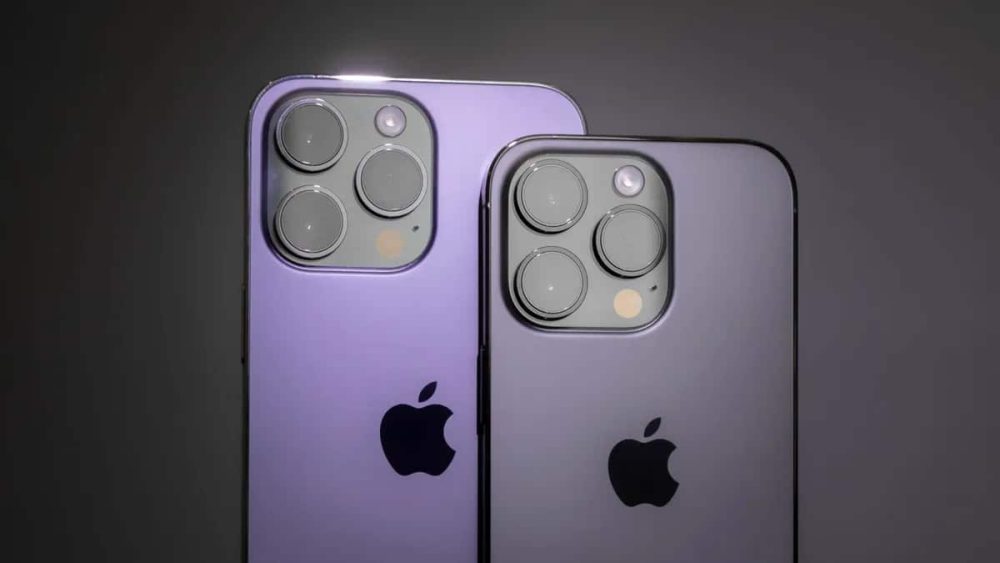
President Asif Ali Zardari has strategically intervened in the high-stakes controversy surrounding 42 missing iPhones Pakistan, mandating a rigorous re-examination by the Federal Tax Ombudsman (FTO). This pivotal decision directly addresses allegations that high-value iPhone 14 Pro Max devices, initially confiscated at Islamabad International Airport, were falsely reported as destroyed despite indications of continued activity. This structural recalibration of the inquiry process underscores a commitment to operational transparency and systemic accountability within national customs procedures.
The Translation: Unpacking the Islamabad Airport iPhone Discrepancy
The core of this intricate case involves serious claims challenging official customs reports. Importers assert that 42 brand-new iPhone 14 Pro Max units were seized, despite their readiness to fulfill all duties. Subsequently, customs officials declared these devices “destroyed,” citing non-compliance with import laws. However, a significant discrepancy arises from the importer’s counter-claim: several unique IMEI numbers associated with the confiscated phones show active iCloud statuses, with some devices reportedly undergoing recent restorations. This critical data point directly contradicts the assertion of physical destruction, prompting a deeper investigation into procedural integrity and potential malfeasance. The dispute has evolved beyond mere administrative oversight, now encompassing allegations of potential fraud, necessitating presidential intervention for a calibrated resolution.
Customs authorities, in defense, maintained that all 42 IMEIs were officially blacklisted through the Pakistan Telecommunication Authority (PTA), asserting that destruction protocols were meticulously followed. They contend that iCloud accounts are not inherently device-specific, drawing an analogy to email access across multiple platforms. This argument, however, fails to definitively resolve the core question of whether the physical devices were indeed destroyed as claimed, or if they remain operational. Furthermore, customs officials initially suggested the complainant should have pursued a review petition, but President Zardari has directed a fresh examination, prioritizing the substantive merits of the case over procedural technicalities.
Socio-Economic Impact: Calibrating Trust in National Trade Systems
This evolving dispute over missing iPhones Pakistan transcends a singular import anomaly; it directly impacts the daily commercial confidence of Pakistani citizens and and businesses. For professionals relying on efficient, transparent import channels, this case introduces an element of systemic risk and uncertainty. Students aspiring to engage in legal international trade may view such high-profile discrepancies as deterrents, perceiving potential vulnerabilities in the regulatory framework. For urban and rural households, where consumer electronics are increasingly vital, the allegations of impropriety raise questions about the fairness and predictability of goods entering the country. The resolution of this case will set a critical baseline for accountability, potentially strengthening public trust in the integrity of customs operations or, conversely, exacerbating concerns about official oversight. Transparent, timely adjudication is paramount to ensure economic stability and perceived fairness across all sectors.
- For Importers & Businesses: Increased scrutiny of import processes and a potential shift in risk assessment for high-value goods.
- For Consumers: Heightened awareness regarding the legitimate pathways for acquiring international products and the associated regulatory safeguards.
- For Governance: A direct challenge to existing procedural compliance and oversight mechanisms within key national institutions, demanding a robust and verifiable response.
The Forward Path: A Decisive Move Towards Systemic Accountability
President Zardari’s directive for a comprehensive re-examination within a strict one-month timeframe represents a decisive Momentum Shift. This is not merely a stabilization move; it is a structural intervention designed to address deep-seated questions about accountability and transparency within a critical national gateway. By explicitly tasking the FTO to verify the genuine destruction of devices and scrutinize the initial committee report, the presidency is leveraging its authority to enforce rigorous operational standards. This focused inquiry holds the potential to reform import procedures, enhance oversight mechanisms, and re-establish public confidence in the integrity of customs operations. It is a necessary recalibration to ensure that economic gateways function with unimpeachable precision and verifiable honesty.








