

The National Assembly Standing Committee has mandated the Higher Education Commission (HEC) to significantly reduce delays in HEC degree attestation. This strategic directive aims to dismantle a complex, financially burdensome system for students. In response, HEC is developing a robust, blockchain-based system, projected for implementation by June 2026, to streamline the entire verification process and integrate key educational and governmental bodies.
Architecting Efficiency: Reframing HEC Degree Attestation
The Translation: Catalyzing Digital Transformation in Higher Education
The existing framework for degree attestation in Pakistan has presented considerable challenges, characterized by labyrinthine procedures and protracted waiting periods. This operational bottleneck imposes undue financial strain and logistical complexities on students seeking to validate their academic credentials. Furthermore, the National Assembly Standing Committee, chaired by MNA Nuzhat Sadiq, critically reviewed the current system’s efficacy, observing the imperative to minimize processing times from application submission to final approval.
In a calibrated response, the HEC Chairman disclosed the ongoing development of a comprehensive, secure blockchain-based system. This structural overhaul aligns with national digital transformation initiatives, targeting a proactive resolution to existing concerns. The projected implementation timeline is set before June 30, 2026. Initially, this advanced system will establish direct linkages between HEC, 25 prominent universities, and the Attestation Directorate of the Ministry of Foreign Affairs, creating a more integrated and transparent ecosystem.
Concurrently, the committee addressed the critical exclusion of newly introduced professional degrees, such as Business Data Analysis, from the Federal Employees Benevolent Fund fee reimbursement scheme. Consequently, the Establishment Division received a clear directive to revise its regulations. The objective is to encompass all professional degrees officially recognized by HEC and relevant accreditation councils, ensuring equitable access to crucial financial support for a broader spectrum of qualified professionals.
The Socio-Economic Impact: Precision Pathways for Pakistani Futures
This systemic recalibration profoundly influences the daily lives of Pakistani citizens, particularly students and emerging professionals. For students, a streamlined HEC degree attestation process means accelerated access to employment opportunities, both domestically and internationally. Furthermore, it mitigates the financial burden associated with prolonged verification periods, allowing for quicker transitions into professional roles or advanced academic programs abroad.
For professionals, the inclusion of modern degrees in the Federal Employees Benevolent Fund reimbursement scheme represents a significant stride towards recognizing contemporary skill sets. Consequently, this change enables individuals in rapidly evolving fields to access vital financial support for their professional development, fostering continuous learning and career advancement. This structural enhancement provides a clearer, more predictable pathway for career progression, impacting households in both urban centers and rural areas by reducing bureaucratic hurdles and promoting economic mobility.
The Forward Path: A Structural Momentum Shift
This development signifies a definitive Momentum Shift in Pakistan’s higher education landscape. The adoption of a blockchain-based attestation system is not merely an incremental improvement; it is a fundamental architectural upgrade. This move strategically positions Pakistan at the forefront of digital credential verification, enhancing global recognition of our academic qualifications. The parallel effort to expand benevolent fund coverage for all HEC-recognized professional degrees further reinforces this momentum, demonstrating a responsive and adaptive governance model committed to national human capital development.
Enhancing Digital Infrastructure: HECVAT Certification Insights
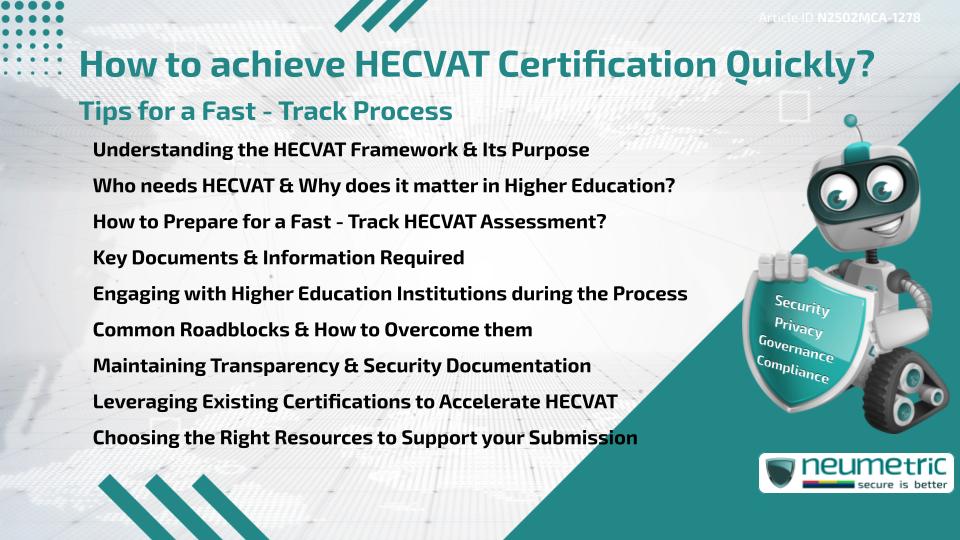
While directly focused on vendor assessment, the principles of efficient certification, as highlighted by HECVAT certification processes, resonate with the broader digital transformation goals of HEC. Achieving certification quickly through optimized processes demonstrates a commitment to operational excellence and robust data security. This parallel focus on digital efficiency underscores the strategic imperative to streamline all HEC-related processes, ensuring both transparency and speed. Consequently, integrating lessons from such frameworks can further strengthen the overall digital infrastructure supporting higher education in Pakistan.
For more information on global scholarship opportunities, visit EduNation.








