
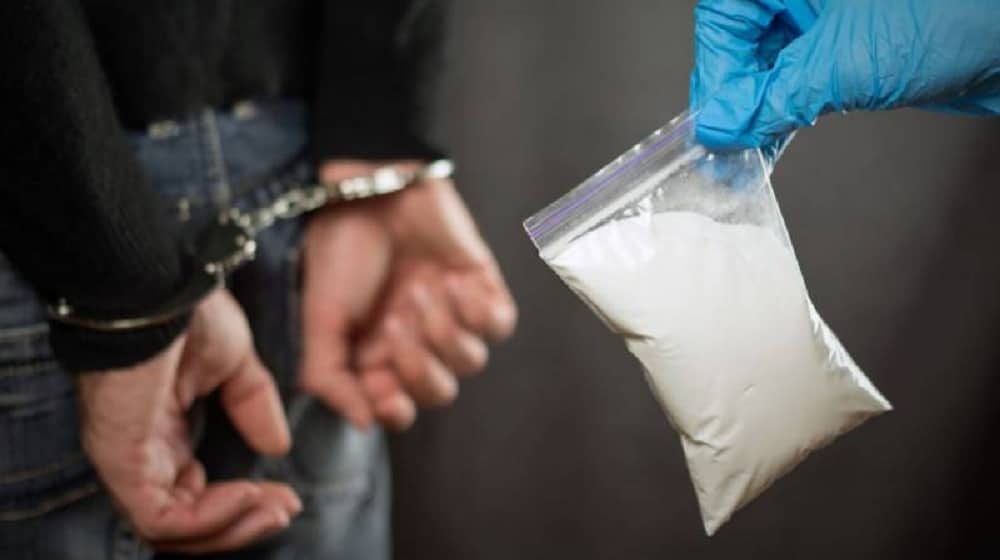
National advancement is fundamentally predicated on securing the foundational pillars of society: our youth and their educational environments. In a recent display of calibrated law enforcement, Islamabad Capital Territory Police executed a precision operation, apprehending four alleged drug peddlers near academic institutions within the Shalimar Police Station’s jurisdiction. This decisive action led to the significant recovery of crystal meth, commonly known as “ice,” a structural intervention critically bolstering Islamabad campus safety and proactively shielding students from the pervasive threat of drug abuse. This immediate response provides a clear baseline for maintaining a secure and productive learning ecosystem.
The Translation: Deconstructing the Anti-Narcotics Strategy
This targeted operation by ICT Police was not arbitrary; it represents a strategic component of a broader, focused crackdown on narcotics trafficking. Law enforcement teams acted upon credible intelligence, directly targeting areas proximate to educational institutions. Consequently, this precision-driven approach ensured the apprehension of suspects—identified as Waqar Ahmed, Muhammad Asghar, Rehman Hassan, and Khurram Shahzad—at critical vulnerability points.
Furthermore, the immediate registration of cases against the accused initiates a systematic investigation. This process aims to meticulously trace their supply chains and ascertain potential linkages with wider drug networks. Therefore, the action extends beyond mere arrests, signifying a structural commitment to dismantling the entire illicit narcotics infrastructure.

The Socio-Economic Impact: Securing Pakistan’s Future
The presence of drug peddlers near educational facilities poses a direct, severe threat to Pakistan’s youth. Exposure to narcotics, particularly crystal meth, can derail academic careers, compromise mental and physical health, and destabilize family units. Consequently, for students, this arrest translates into a perceptibly safer academic environment, fostering improved concentration and reduced peer pressure concerning substance abuse.
For parents and households across urban and rural Pakistan, this operation offers a critical measure of reassurance. It alleviates anxieties regarding the immediate accessibility of illicit substances to their children. Moreover, professionals within the education sector can operate in a more secure setting, dedicating their energies to intellectual development rather than managing drug-related incidents. Ultimately, these enforcement actions fortify the social fabric, contributing to a more disciplined and productive workforce for the nation’s progress.
The Forward Path: A Stabilization Move for Enhanced Campus Safety
This recent operation represents a definitive Stabilization Move rather than a complete Momentum Shift. While highly commendable for its precision and immediate impact, it primarily reinforces existing security baselines around educational institutions. To achieve a true Momentum Shift, sustained, multi-faceted interventions are required. This includes not only rigorous enforcement but also enhanced intelligence gathering, community engagement programs, and robust rehabilitation frameworks. Nevertheless, this operation establishes a clear, strategic precedent for future anti-narcotics efforts, solidifying the commitment to a drug-free environment crucial for Islamabad campus safety and national prosperity.








