Enhancing National Security: The Nationwide Drone Ban in Pakistan
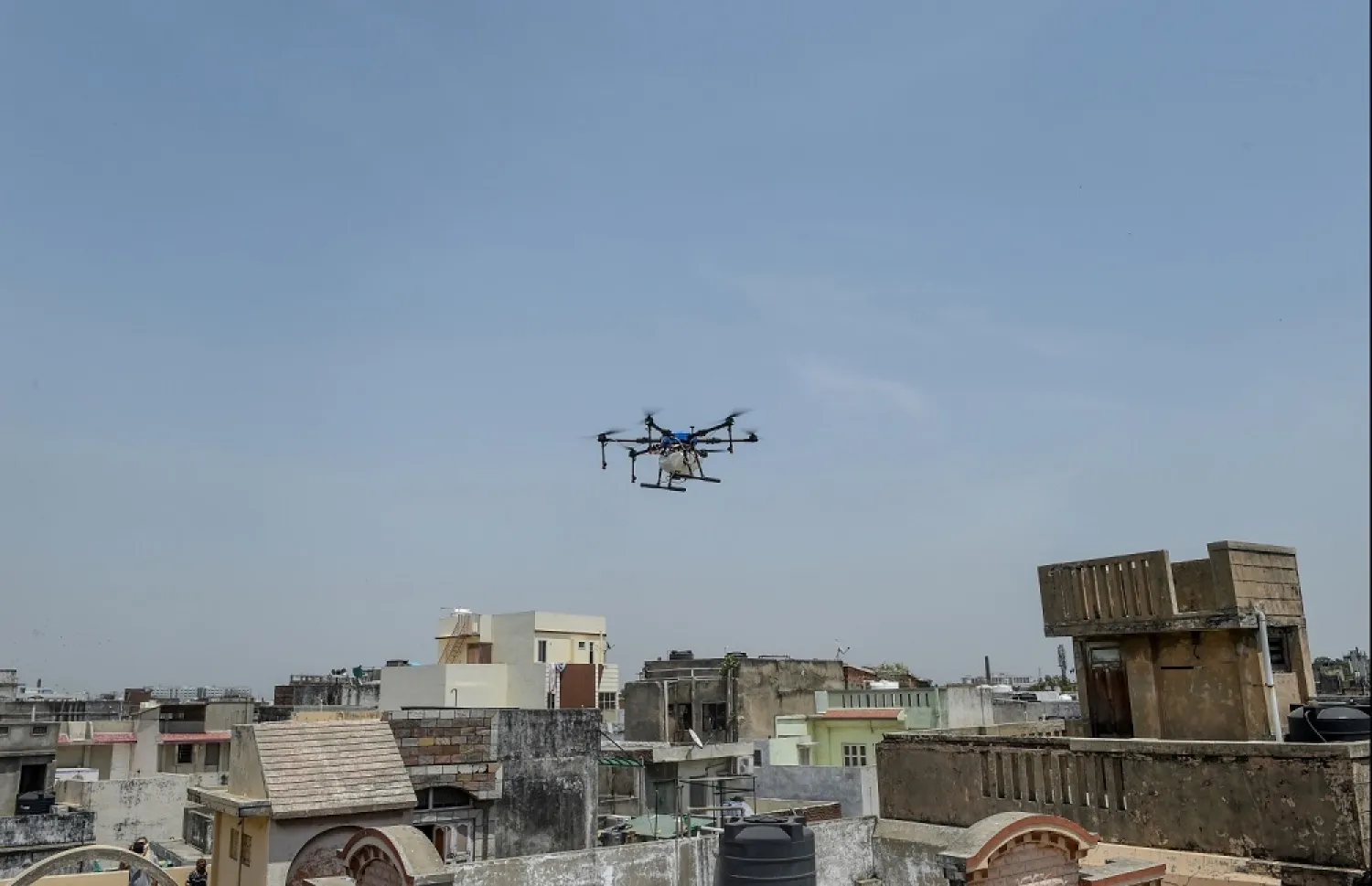
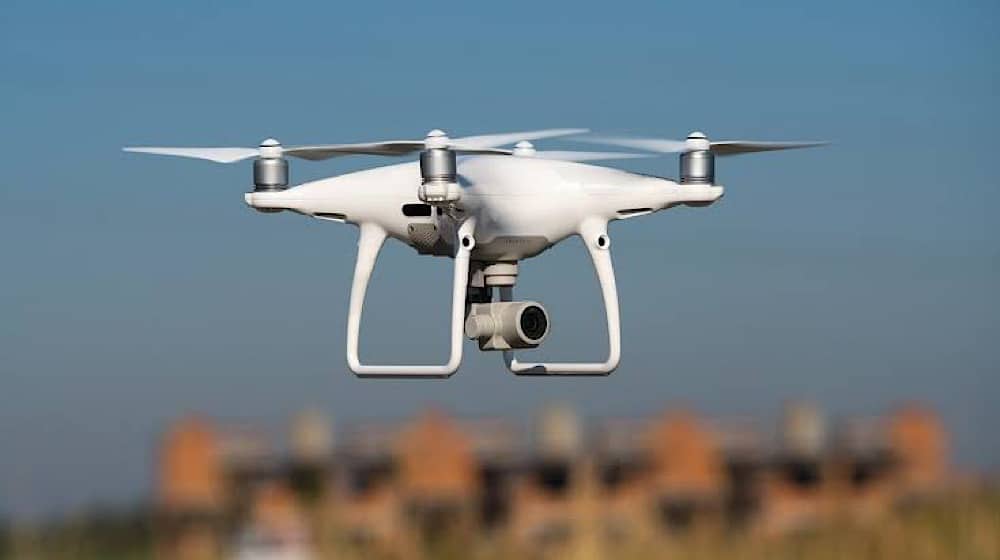
Pakistan’s Ministry of Interior has strategically implemented a nationwide drone ban, citing pressing national security imperatives. This calibrated decision, affecting both commercial and private drone operations, underscores a proactive approach to safeguarding public spaces. Consequently, authorities aim to mitigate potential risks associated with unmonitored unmanned aerial devices, particularly in sensitive regions. Therefore, this directive, now formally approved and communicated to all provincial governments, signifies a structural shift towards enhanced public safety protocols across the nation.
The Translation: Deconstructing Drone Regulations
The Ministry of Interior’s mandate represents a clear operational adjustment. Previously, the use of unmanned aerial vehicles operated within a less defined regulatory framework. Now, this comprehensive prohibition establishes a baseline for controlled airspace. The government’s decision explicitly addresses the dual-use nature of drone technology, which, while beneficial for sectors like agriculture and aerial photography, also presents significant vulnerabilities if exploited. Furthermore, this move is not merely a restriction; it signifies a strategic recalibration of national security infrastructure, ensuring advanced technologies do not inadvertently compromise public welfare. Accordingly, compliance from all stakeholders is now a critical operational requirement.
Socio-Economic Impact: Daily Life and Future Implications
This policy will significantly impact various segments of Pakistani society. For professionals in industries such as real estate, media production, and surveying, operations requiring aerial imaging may necessitate new, government-approved solutions or a pause in certain activities. Students pursuing drone technology or related fields may face revised academic parameters, emphasizing security protocols and responsible innovation. Conversely, for the average Pakistani citizen, this policy primarily translates into enhanced security assurances. It aims to reduce the risk of unforeseen incidents, thereby contributing to a more stable and predictable environment for households in both urban and rural settings, a direct benefit of the nationwide drone ban.
The Forward Path: A Stabilization Move for National Integrity
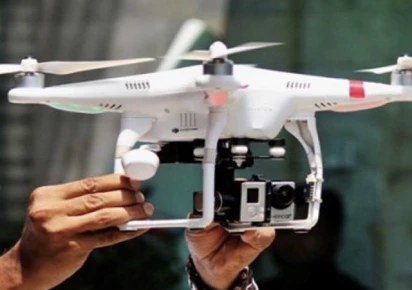
This directive unequivocally represents a Stabilization Move. While it may temporarily constrain certain emerging technological applications, its primary function is to fortify national security baselines. This strategic action ensures that foundational safety parameters are robust before potentially integrating more complex aerial technologies into everyday use. It is a disciplined measure, prioritizing national integrity and citizen safety over uncalibrated technological proliferation. Ultimately, this ban provides a critical window for developing more secure and regulated frameworks for drone operation, a necessary step for sustainable technological advancement within national security parameters. In conclusion, this policy establishes a stronger foundation for future technological integration.