Optimizing Pakistan’s Energy Landscape: Historic January Performance
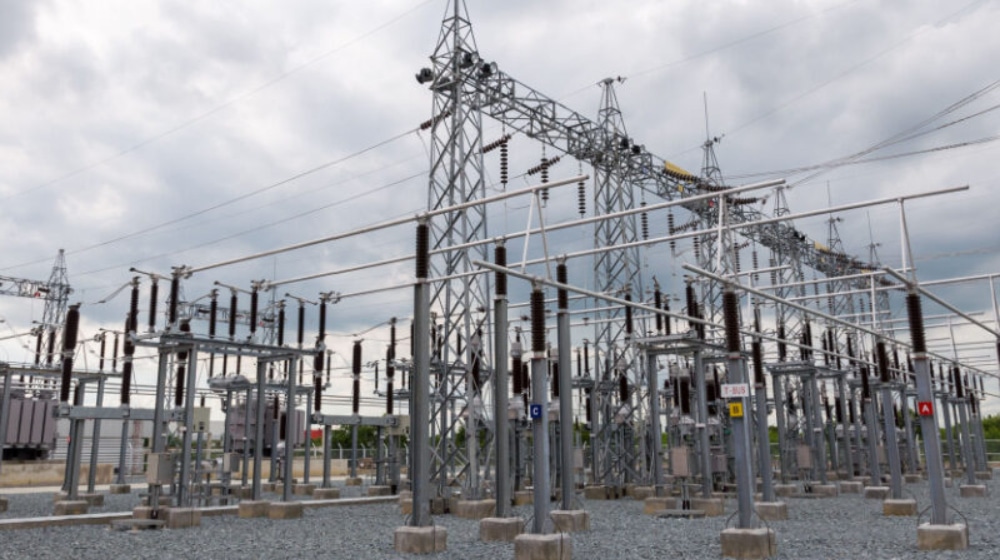
Pakistan’s national power system has achieved a significant milestone, registering its highest-ever January power generation in 2026. Despite challenging weather and notable operational constraints, the Power Division reported a peak generation of 16,584 megawatts (MW), with an average of 12,239 MW throughout the month. This robust performance demonstrates a structural resilience within the energy infrastructure, signaling a critical advancement in meeting national electricity demands effectively.
The Translation: Decoding Operational Efficiency
Understanding this achievement necessitates a granular look at the operational data. Total electricity generation escalated to 9,106 gigawatt-hours (GWh), exceeding reference projections by approximately 14 percent and marking a 13 percent increase from January 2025. Furthermore, this record was established despite significant system challenges, including forced outages at key facilities like K-3 (1,040 MW) and Haveli Bahadur Shah (1,180 MW), along with partial outages at Sahiwal Coal Power Plant and a refueling outage at C-III. Critically, canal closures also impacted hydel availability, and dense fog instigated transmission line issues. Nevertheless, the system maintained operation strictly under merit-order dispatch principles, optimizing thermal resources and managing hydel generation within water constraints. This strategic operational calibration prevented widespread load management or cascading failures.

The Socio-Economic Impact: Energizing Daily Life
For the average Pakistani citizen, this surge in Pakistan power generation translates directly into enhanced reliability and stability of electricity supply. Improved grid performance mitigates the risk of unscheduled load shedding, particularly crucial during peak demand hours, such as Iftar, Taraweeh, and Sehr. Professionals experience fewer disruptions to remote work, students benefit from consistent power for studies, and households gain predictable access to essential services. Consequently, this operational stability fosters a more conducive environment for economic activity and daily routines across urban and rural Pakistan. Importantly, the absence of furnace oil-based generation during this period underscores a move towards more cost-effective and potentially cleaner energy sources, directly impacting consumer bills and environmental quality.
The Forward Path: A Momentum Shift
This achievement represents a clear “Momentum Shift” for Pakistan’s energy sector. The robust performance in January 2026, despite significant operational impediments, highlights the evolving capability of the national grid. It signifies a move beyond mere maintenance towards structural enhancement and strategic optimization. The disciplined application of merit-order dispatch and proactive management of transmission corridors are foundational to future energy security. Therefore, this data point is not merely a statistical peak; it is a baseline for calibrated future advancements, propelling Pakistan towards greater energy independence and systemic efficiency.