

Optimizing Public Health: The KP Dengue Prevention Plan
To bolster regional health security, the Khyber Pakhtunkhwa (KP) Health Department has initiated the comprehensive KP Dengue Prevention Plan 2026. This structural endeavor represents a proactive intervention to mitigate potential dengue outbreaks and safeguard community well-being province-wide. Approved by KP’s chief secretary and formally launched by health leadership, this plan establishes a calibrated framework for early detection, rapid response, and extensive public awareness, fundamentally shifting our approach to disease vector management.
The Translation: Deconstructing the Strategic Framework
This provincial initiative, the Dengue Action Plan 2026, transcends mere reactive measures. Consequently, it establishes a robust, multi-tiered defense against the dengue virus. The plan’s approval by the chief secretary signifies high-level governmental commitment. Furthermore, its formal launch, overseen by the health minister and secretary, underscores a unified leadership approach. Officials meticulously reviewed the prevailing dengue situation, emphasizing the critical need for integrated coordination, precise data reporting, and early preventive measures well before the peak dengue season intensifies. The government is actively implementing proactive steps, ensuring operational readiness and reducing outbreak risks at every administrative level.

The Socio-Economic Impact: Fortifying Community Resilience
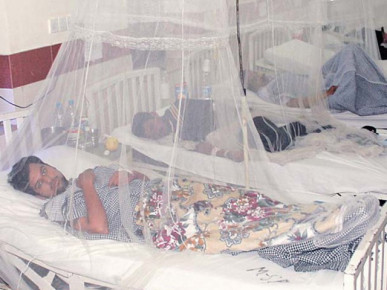
The implementation of the KP Dengue Prevention Plan directly impacts the daily lives of Pakistani citizens across urban and rural settings. For students, reduced disease incidence translates to fewer school days missed, ensuring educational continuity. Professionals will experience fewer work disruptions, fostering economic stability. Households, particularly in vulnerable areas, gain enhanced protection from debilitating illness, mitigating healthcare expenditures and associated productivity losses. District Dengue Prevention and Response Units, now being established, will serve as crucial local hubs. These units are tasked with monitoring activities, coordinating field operations, and ensuring a swift response to any suspected cases, providing a localized shield against the virus. Simultaneously, an early advisory disseminated across the province amplifies public awareness. This directive concentrates on identifying and eliminating mosquito breeding sites, ensuring prompt case detection, and facilitating immediate response actions. This strategic approach aims to cultivate a healthier, more resilient population, enabling greater participation in Pakistan’s national development.
The “Forward Path”: A Momentum Shift for Public Health
This KP Dengue Prevention Plan represents a definitive Momentum Shift in public health strategy for Khyber Pakhtunkhwa. Moving beyond traditional seasonal responses, it embodies a foresight-driven, systemic approach to disease control. The integration of surveillance, coordinated response, and public engagement elements forms a robust architecture for long-term health security. This structured initiative provides a baseline for future public health interventions, signaling a proactive governance model focused on citizen well-being and national advancement.
Calibrated Surveillance and Unified Response
To ensure widespread efficacy, the Directorate General Health Services (DGHS) disseminated official directives to all deputy commissioners, district health officers, and medical superintendents. These communications mandate rigorous implementation of the Dengue Action Plan, aligning provincial efforts with approved operational strategies. Furthermore, district and hospital focal persons are being systematically nominated. This critical step aims to strengthen existing surveillance systems, streamline reporting protocols, and enhance precision in case management across all facilities.
Integrating Data for Enhanced Precision
Strengthening surveillance capabilities is paramount for the KP Dengue Prevention Plan. Therefore, all public sector laboratories within Medical Teaching Institutions and District Headquarters hospitals, operating under the Public Health Laboratory Network K-P, have received precise instructions. They are required to submit comprehensive weekly dengue case reports, ensuring a continuous data flow. Moreover, the Health Department has initiated contact with the Health Care Commission. This strategic engagement seeks to incorporate private hospital chains into the provincial dengue reporting system, thereby ensuring holistic surveillance and accurate data collection from both public and private health facilities. This integrated approach creates a more complete epidemiological picture.

Provincial Oversight and Community Partnership
At the provincial tier, the Provincial Dengue Prevention and Response Unit, situated within the DGHS office, has commenced critical coordination activities. This unit is tasked with overseeing the plan’s effective implementation, meticulously monitoring district performance, and providing calibrated guidance and support to field teams. Health authorities at DGHS-K-P affirm that synchronized efforts, rigorous monitoring, and active public cooperation will serve as a catalyst for the Dengue Action Plan 2026. Ultimately, this structural collaboration aims to minimize dengue’s impact and protect communities throughout the province, advancing the collective health infrastructure of Pakistan.








