Calibrated Digital Boundaries: The Global Push for a Children Social Media Ban
The strategic move by Poland to implement a children social media ban for individuals under 15 by early 2027 marks a significant global shift towards safeguarding youth in the digital domain. This legislative action, spearheaded by Education Minister Barbara Nowacka, necessitates stringent age-verification systems from platforms and anticipates financial penalties for non-compliance. Consequently, this initiative establishes a critical baseline for digital accountability, prompting a re-evaluation of current online engagement models for minors regarding a children social media ban.
The Translation: Deconstructing Digital Governance and the Children Social Media Ban
This proposed legislation is not merely a restriction; it is a structural redesign of how young users interact with digital platforms. Essentially, governments are moving to enforce a clear demarcation, preventing those under a specified age from accessing platforms deemed detrimental to their developmental stages. Furthermore, this policy mandates that social media companies must develop and deploy robust, verifiable age-gating technologies, a substantial technical and operational challenge. The core logic centers on protecting mental health and fostering intellectual development, which are increasingly recognized as vulnerable in unfiltered digital environments. Therefore, this represents a proactive stance against potential long-term societal impacts.
Socio-Economic Impact: Recalibrating Youth Futures in Light of a Children Social Media Ban
For a Pakistani citizen, particularly parents and educators, such global precedents offer a blueprint for enhanced digital safety discussions. While currently focused on European nations, the global dialogue concerning a children social media ban directly influences our national discourse on youth well-being. Strategically, this change could mean a reduction in screen time for younger demographics, potentially redirecting their engagement towards educational pursuits, outdoor activities, or direct social interactions. Consequently, this shift could alleviate parental concerns regarding cyberbullying, exposure to inappropriate content, and digital addiction. Urban households might initially face adaptation challenges, whereas rural areas, with potentially less pervasive social media use, could see a reinforced emphasis on traditional community building. Ultimately, this contributes to a more structurally sound foundation for future generations.
Global Momentum: A Coordinated Policy Architecture for Youth Safety
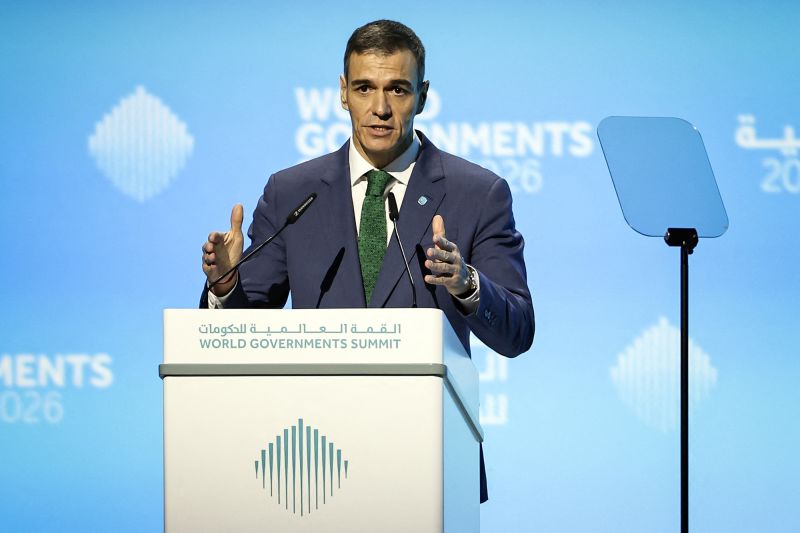
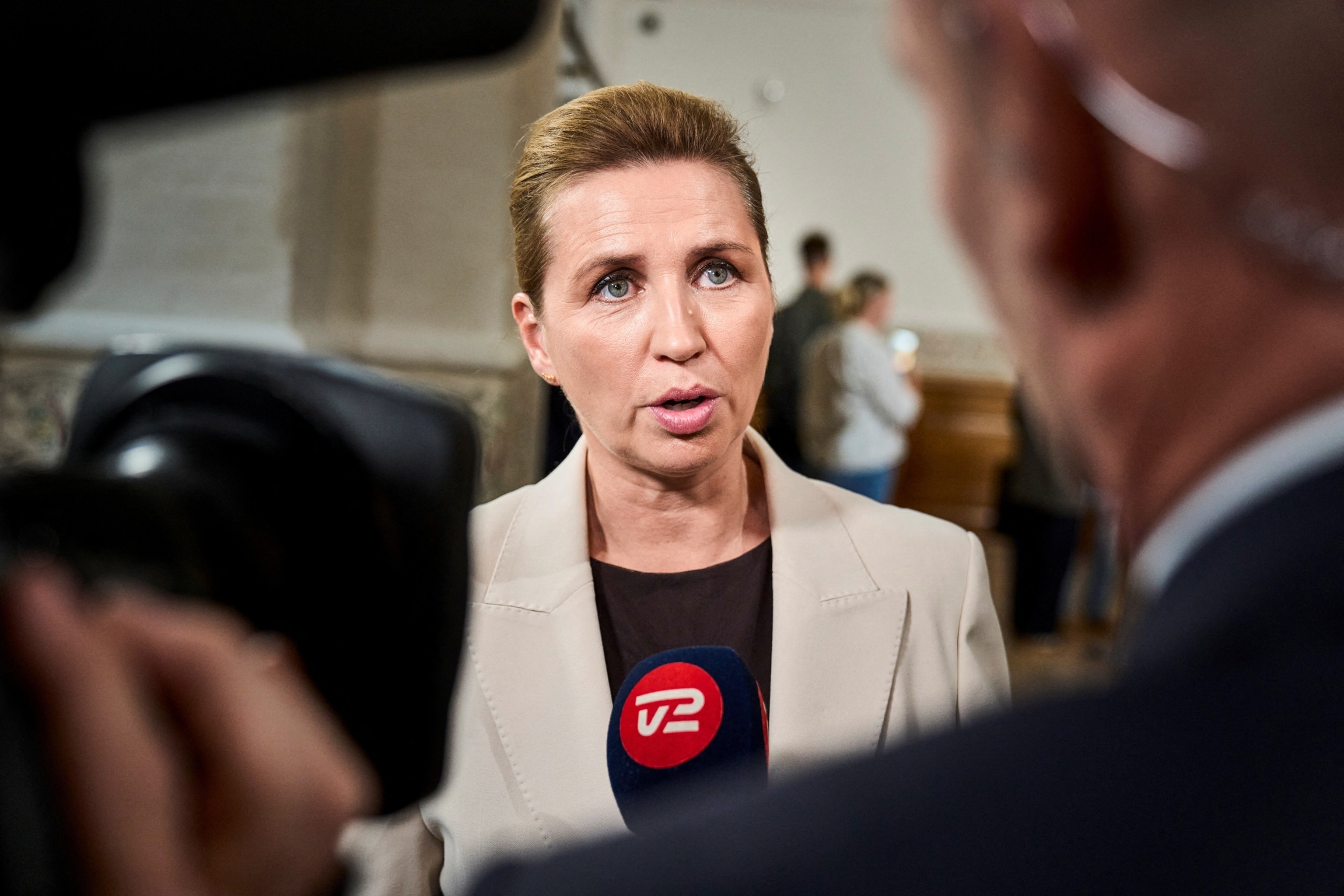
Poland’s initiative aligns with a growing international consensus. Several European nations, including Spain, Denmark, Greece, France, and Britain, are actively exploring or implementing similar restrictions on social media access for minors. For instance, Spain has already declared intentions to restrict access for users under 16, reinforcing the need for platform-level age verification. This collective movement signifies a coordinated policy architecture aimed at establishing a safer digital ecosystem for young people. It demonstrates a shared understanding among governments regarding the critical imperative of youth digital well-being, moving beyond mere recommendations to enforceable legislation.

Regulatory Pressure Mounts: Tech Giants and the Digital Frontier
The proposed legislative actions are poised to intensify regulatory pressure on major tech firms, including Meta and X, across Europe. Historically, these corporations have resisted similar measures, as observed in Australia’s past implementations. Furthermore, the debate extends to the United States, where ongoing civil trials investigate whether platforms intentionally design features that cultivate addiction among young users. These legal challenges assert that specific engineering choices aim to maximize engagement, often to the detriment of adolescent users. In contrast, the current governmental stance emphasizes a shift from self-regulation to mandated oversight, marking a pivotal moment in the digital frontier.

The “Forward Path”: A Momentum Shift for Digital Safety
This development undeniably represents a Momentum Shift. Governments are transitioning from advisory roles to assertive legislative action, recalibrating the balance of responsibility between tech platforms and public safety. This structural reorientation is a direct response to accumulating evidence regarding social media’s impact on youth mental health and intellectual development. The collective international movement indicates a strategic pivot towards proactive digital governance, establishing new benchmarks for online engagement and accountability. It is a necessary evolution towards a more controlled and beneficial digital landscape for our youngest citizens.