Pakistan’s strategic 5G auction has seen the 2600 MHz band emerge as the most intensely contested frequency, reflecting its critical role in the nation’s digital infrastructure. Three primary telecom operators are locked in a precision bidding process for 19 available lots, demonstrating a robust demand that has systematically driven the base price upward by 10 percent, reaching $13.781 million per lot from an initial $12.5 million. This calibrated escalation signifies a pivotal moment for Pakistan’s broadband evolution, promising enhanced connectivity and a foundation for advanced digital services.
The Translation: Analyzing Pakistan’s 5G Auction Dynamics
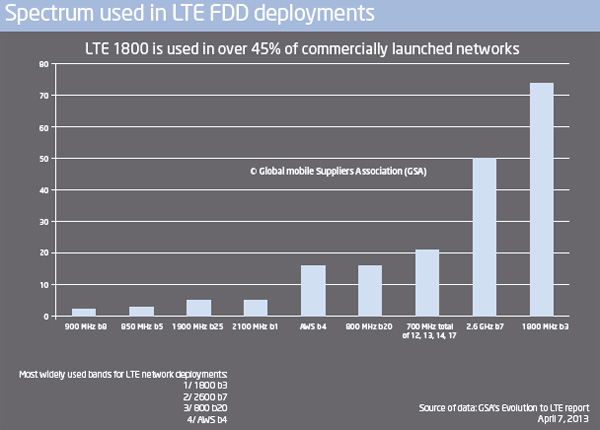
The ongoing auction for the 2600 MHz band highlights its preeminence within Pakistan’s telecom sector. Consequently, all three major telecom operators are actively competing for the allocation of 19 specific lots. Initially, the first bidding round registered an aggressive demand for 11 additional lots. However, this supplementary demand reduced to seven lots following the second round, indicating a strategic recalibration among bidders.
Furthermore, the robust demand has directly influenced the financial parameters of the auction. The base price for the 2600 MHz band, initially set at $12.5 million per lot, experienced a significant surge. Specifically, a 5 percent increment in the second round elevated the price to $13.12 million per lot. Subsequently, a further 5 percent increase in the third round propelled the cost to $13.781 million per lot, marking a cumulative 10 percent rise due to competitive pressure.
The Socio-Economic Impact: Calibrating Connectivity for National Progress
This concentrated competition for the 2600 MHz band fundamentally reshapes the daily digital landscape for Pakistani citizens. For students in urban and rural areas, a robust 5G infrastructure means access to high-speed internet, facilitating online learning, research, and collaborative projects without bandwidth constraints. Professionals, particularly those in tech-driven industries, will experience enhanced remote work capabilities and accelerated data transfer, fostering greater efficiency and innovation.
Moreover, households across Pakistan will benefit from improved connectivity, enabling seamless access to digital services, entertainment, and communication platforms. This development lays a structural baseline for smart cities, IoT applications, and advanced telehealth solutions, acting as a catalyst for broader economic growth and societal advancement. The increased cost per lot, therefore, translates into a higher value placed on the future of Pakistan’s digital economy, ultimately benefiting end-users through superior service quality.

The “Forward Path”: Momentum Shift for Pakistan’s Digital Future
The intense bidding activity surrounding the 2600 MHz band unequivocally represents a Momentum Shift. This is not merely a stabilization move; it is a clear acceleration towards a digitally empowered nation. The significant demand and subsequent price escalation demonstrate a robust market confidence in Pakistan’s future digital economy and the commitment of telecom operators to invest in cutting-edge infrastructure. This strategic investment in high-frequency bands will serve as a foundational element for Pakistan’s technological leap, enhancing capabilities in sectors from education to e-commerce. It signals a proactive stance by the industry to meet the escalating digital demands of a dynamic populace, positioning Pakistan for sustained technological advancement and global competitiveness.