A critical health alert has emerged, placing the 2026 T20 World Cup in India under significant threat. A recent Nipah virus outbreak has triggered extensive quarantines and an urgent public health response. This development directly impacts the strategic planning for the upcoming ICC event, necessitating calibrated measures to safeguard participants and spectators. Consequently, international sporting bodies and participating nations are now reassessing logistical frameworks and safety protocols, particularly concerning the widespread travel expected for the tournament.
The Nipah Virus World Cup Challenge: Understanding the Threat
The Nipah virus, a zoonotic pathogen primarily transmitted from bats, poses a severe public health risk. Its high fatality rate, reaching up to 75% in some documented outbreaks, underscores the gravity of the current situation. Initial symptoms, such as fever and headaches, often progress rapidly to severe neurological complications including encephalitis and seizures. Critically, no approved vaccine exists; treatment remains supportive. This viral profile, combined with an incubation period of 5-14 days, demands rigorous containment strategies to prevent broader transmission, particularly in densely populated event environments. This proactive approach is essential for mitigating the health risks associated with a global sporting congregation.
Socio-Economic Repercussions: Impact on Pakistani Citizens
This evolving situation has direct socio-economic implications for Pakistani citizens, especially those invested in cricket or planning international travel. For students and professionals, potential travel restrictions or health advisories could disrupt educational or business opportunities linked to India. Households, particularly in urban centers, become acutely aware of cross-border health threats, reinforcing the need for robust national disease surveillance and rapid response mechanisms. The core concern revolves around public health security. Furthermore, for aspiring athletes and sports enthusiasts, the uncertainty surrounding the Nipah Virus World Cup event highlights the interconnectedness of global health and major international events, impacting morale and future planning.

The Forward Path: A Stabilization Move for Global Sports
This health crisis represents a “Stabilization Move” rather than a “Momentum Shift” for international sports. The immediate focus must be on precision health security protocols and transparent communication. Governing bodies, therefore, need to establish clear baselines for risk assessment and event viability. While the outbreak injects uncertainty, it concurrently serves as a catalyst for refining global health preparedness frameworks. Strategic planning requires a multi-stakeholder approach, integrating medical experts, logistical specialists, and sporting authorities to ensure athlete and public safety. Consequently, this event could redefine how major tournaments navigate unforeseen health challenges in the future.

Structural Integrity: ICC Decisions and Pakistan’s Stance
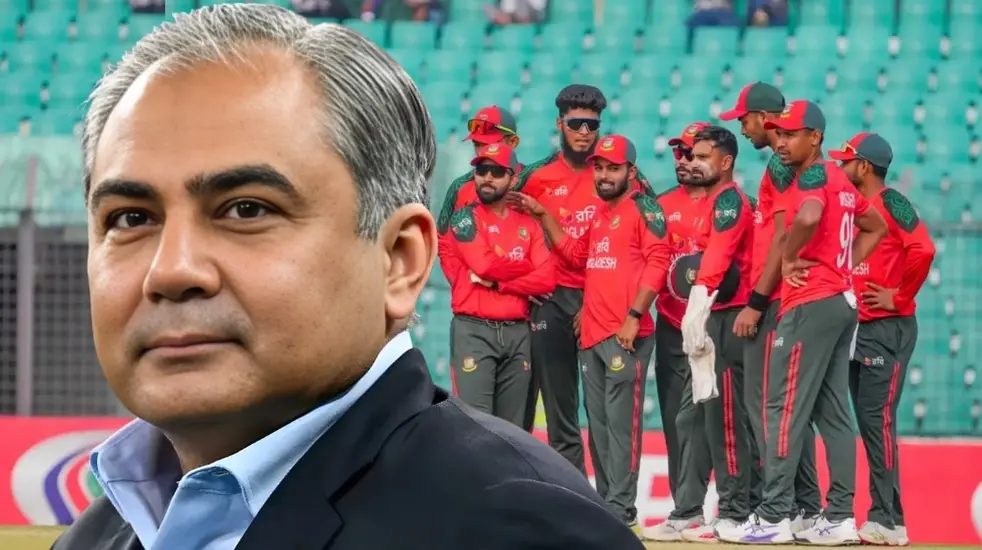
Beyond the health crisis, the 2026 T20 World Cup faces additional structural challenges. The International Cricket Council (ICC) notably removed Bangladesh from the tournament, replacing them with Scotland following Bangladesh’s request to host matches in Sri Lanka due to security concerns. This decision has sparked considerable online criticism, raising questions about consistency in tournament management. Moreover, Pakistan is reportedly re-evaluating its participation. Citing alleged double standards in the ICC’s treatment of India and the BCCI, Pakistan’s stance introduces another layer of complexity. An official announcement regarding Pakistan’s final decision is pending, adding further anticipation to the unfolding dynamics of the global cricket event.